
Prime Minister, James Marape, arrived Sunday in Suva, Fiji, to participate in the 23rd Melanesian Spearhead Group (MSG) Leaders’ Summit.
This summit, chaired by Fiji this year, is a critical forum for Melanesian nations and the FLNKS (Kanak and Socialist National Liberation Front of New Caledonia) to address shared regional challenges and opportunities. Prime Minister Marape’s attendance, accompanied by Higher Education Minister Feo Kinoka, underscores Papua New Guinea’s enduring commitment as a founding and senior member of the MSG, an organization established in 1986 to foster political, economic, and cultural ties among its members.
What Are The Key Discussion Points and PNG’s Stance
The summit’s agenda encompasses the usual crucial issues such as climate action, trade, regional security, and decolonization efforts.
With Vanuatu handing over the chair to Fiji, the MSG Leaders Plenary meeting and a closed-door Leaders meeting formerly began. Prime Minister Marape was expected to deliver Papua New Guinea’s country statement, which will likely reaffirm the nation’s dedication to strengthening MSG cooperation while reinforcing broader regional partnerships through the Pacific Islands Forum (PIF).
Prime Minister Marape’s anticipated address highlights the urgency of the moment for the Pacific, emphasizing the need for a proactive approach to safeguarding sovereignty, protecting resources, and ensuring the region’s voice is heard globally. He is also expected to strongly advocate against human rights abuses within the region and for respect for all people and members of the Pacific Islands Forum, the MSG, and other communities. Furthermore, he is likely to push for reforms within regional organizations to ensure they remain responsive, inclusive, and capable of addressing current and future development and security challenges.
Broader Regional Engagements and Priorities
A significant aspect of Prime Minister Marape’s engagement in Fiji includes high-level political Talanoa consultations with the Eminent Persons Group (EPG) of the Pacific Islands Forum (PIF). These discussions, occurring concurrently with the MSG Leaders’ Meeting, are part of a wider PIF-led effort to enhance Pacific solidarity and strategic cooperation. The Talanoa process will delve into critical issues such as regional security, climate change, fisheries resource management, political governance, national sovereignty, and the institutional reforms of both regional and sub-regional groupings in the Pacific.
Prime Minister Marape has been a consistent advocate for a reformed and united Pacific architecture. His participation in these discussions is expected to reinforce his call for stronger collaboration between MSG members and the wider Pacific community. He has consistently emphasized the importance of regional ownership, institutional capacity-building, and ensuring that regional decision-making remains grounded in Pacific cultural values while embracing innovation, inclusion, and resilience.
Decolonization and Regional Dynamics
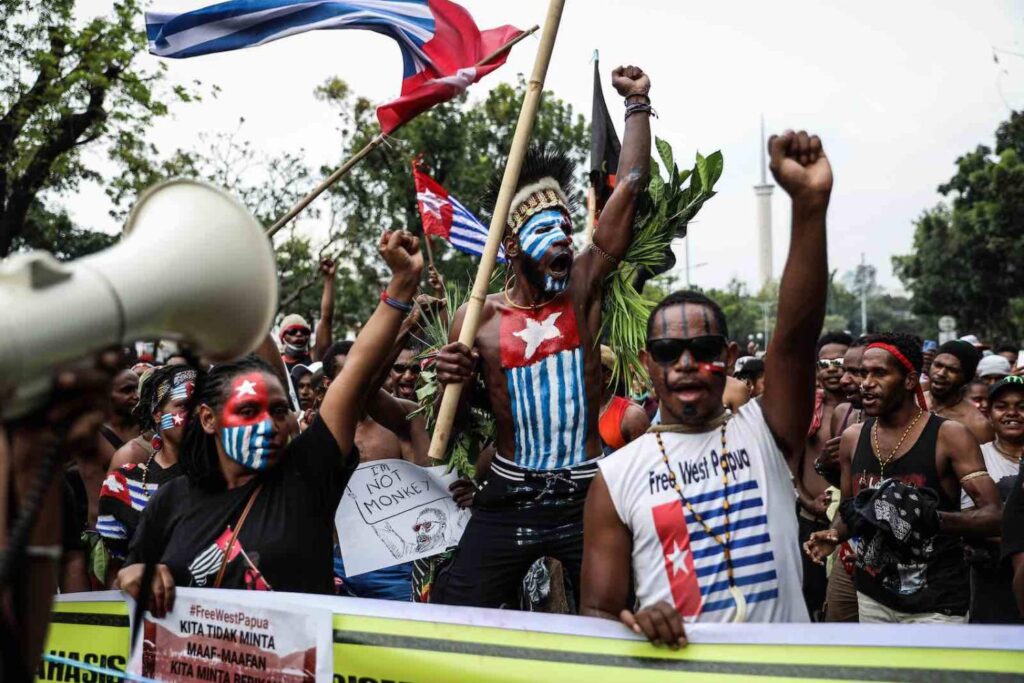
The presence of the United Liberation Movement for West Papua (ULMWP) as an observer at the MSG meeting, and ongoing calls for West Papua’s full membership, underscore a persistent aspiration for greater recognition and self-determination within the Melanesian family. This remains a sensitive and significant point of discussion within the MSG framework.
Additionally, Prime Minister Marape is expected to highlight his recent discussions with French President Emmanuel Macron regarding New Caledonia. These discussions typically center on the decolonization process in New Caledonia and the future of the FLNKS, which is a member of the MSG. This reflects a shared regional interest in the self-determination of the Kanak people.
Prime Minister Marape’s engagement at the MSG Leaders’ Summit is a multifaceted endeavor, aiming to strengthen Melanesian solidarity while advocating for a more unified, resilient, and effective Pacific regional architecture. What do you think are the most pressing challenges facing the MSG countries that these discussions hope to address?