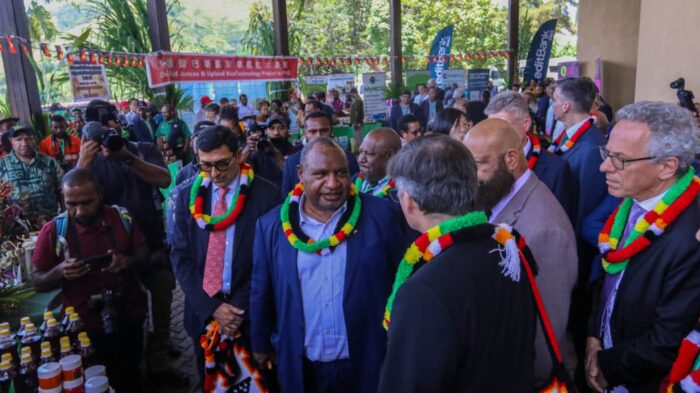
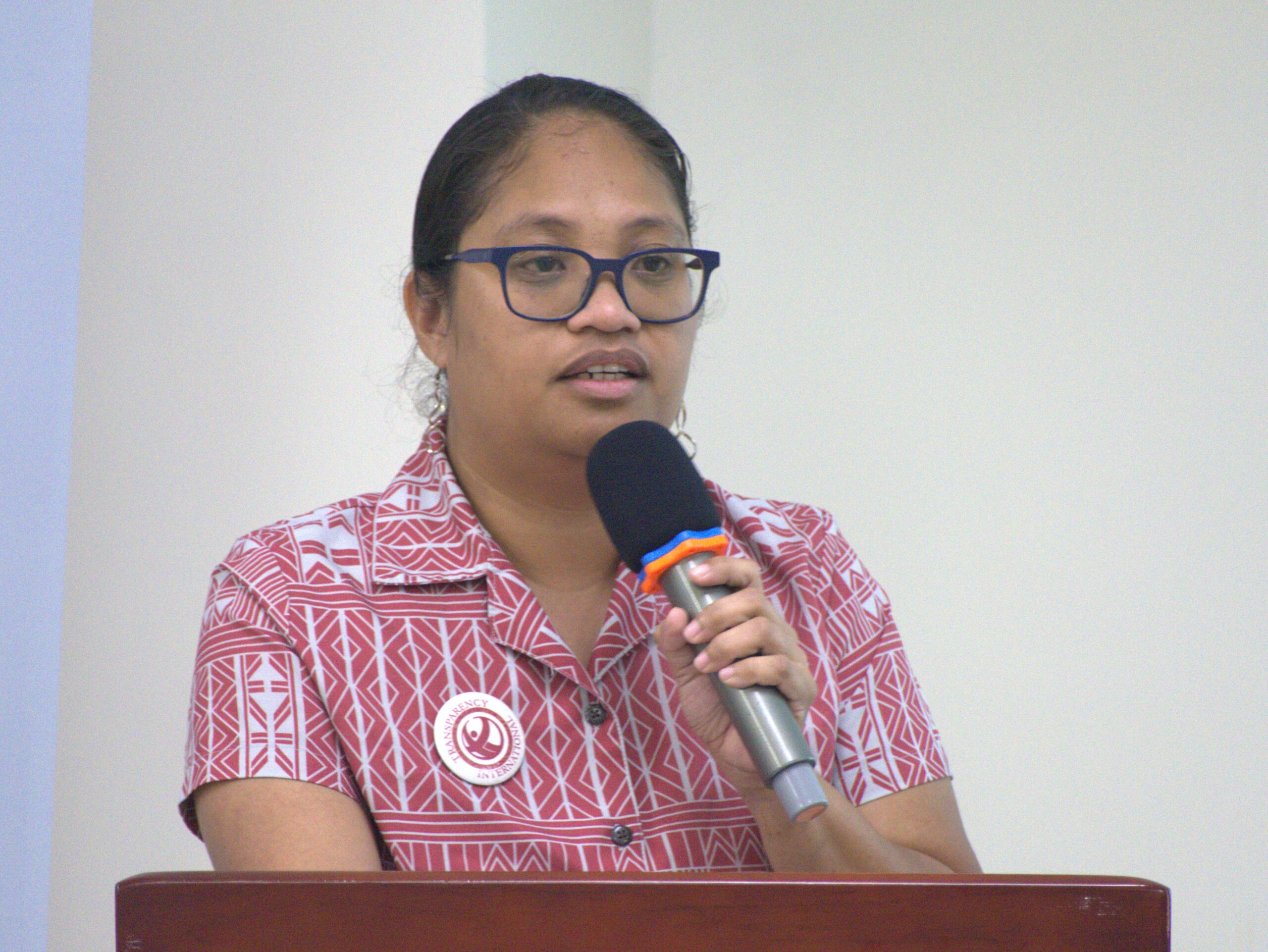
Civil society organizations attending an Open Government Partnership consultation in Lae have highlighted the need for active participation in ensuring transparency especially as we approach the 50th year as an independent nation.
For many, empowering citizens to demand accountability is no longer an option – it’s a necessity. But getting the people to participate in ensuring transparency and good governance is extremely challenging.
Arianne Kassman, CEO of Transparency International Papua New Guinea (TIPNG), says a dangerous tolerance for secrecy has taken root within the public.
“We, as a population, have become very tolerant where there is secrecy or a lack of information, and we’ve accepted that this is now normal for Papua New Guinea,” Kassman said.
And this normalization of opacity, she warns, is a significant barrier to progress.
The lack of readily available information on how public funds are spent, particularly at the provincial and district levels where the bulk of the national budget is allocated through programs like DSIP and PSIP, fuels public mistrust.
“The lack of transparency around it, unfortunately, is creating this uncertainty with people. Where is the money going? What are we doing with it?”
Kassman asks these questions highlighting yet again that these funds belong to the people, and they have an inherent right to know their fate. She stresses that pushing for this information is critical.
“What we need is for people to demand that this information is what will give us power to take action and to hold people accountable.”
This urgent call for transparency resonates deeply with the goals of the Open Government Partnership (OGP), which Papua New Guinea is part of.
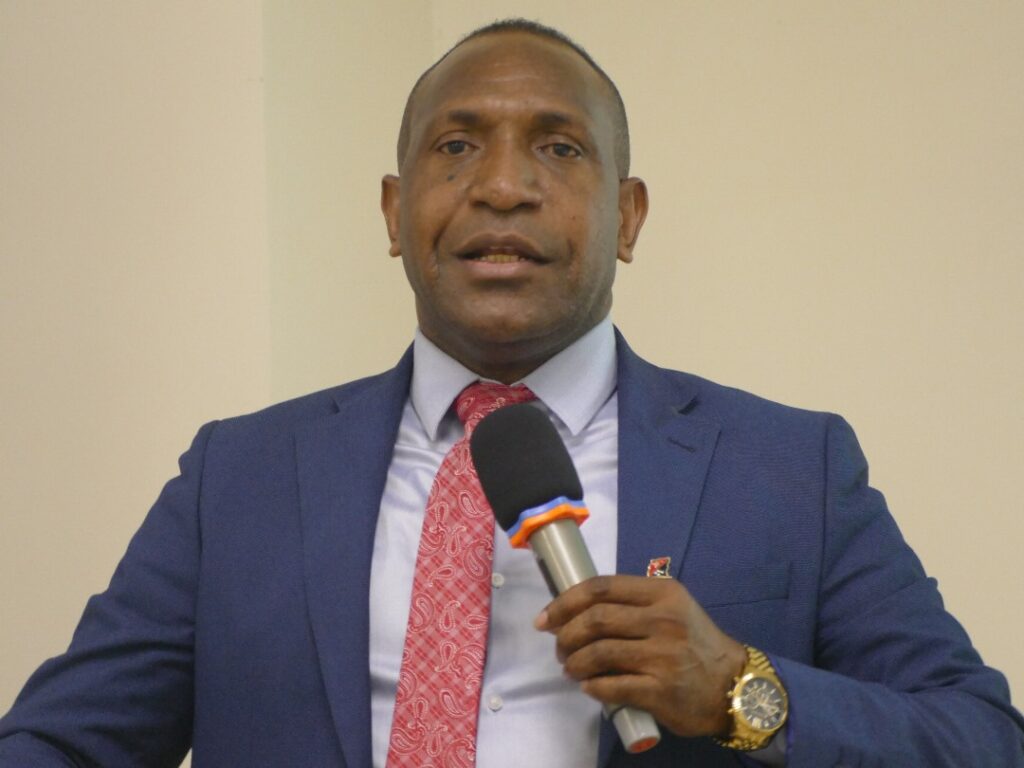
Michael Kumung, Deputy Secretary of the Department of National Planning and Monitoring points to the OGP’s core principles.
“The Open Government Partnership basically is… talking about greater transparency and accountability in the systems of government,” Michael Kumung says.
At the public consultation workshop in Lae, he said there is a crucial need for fiscal transparency, where the public, citizens, and civil society must understand government financial management, including budget formulation and execution.
“Our people need to know that information, how much money has been drawn down against this, the reports on the successful implementation of this program… These are all information that must be visible to the citizens of this country.”
Beyond finances, the OGP champions freedom of speech, allowing people to express their views on government affairs, policies, and laws. It also emphasizes government integrity, ensuring that processes and decision-making command public respect. Michael Kumung highlights the importance of data availability, especially as PNG approaches its 50th year of independence.
“People must now know how much we have progressed, how much we have achieved in terms of our education, our healthcare services we provide for our people, the connectivity that we have made in terms of road transport, connectivity, in terms of energy rollout, in terms of communication rollout,” he said.
Despite the many challenges of transparency, Michael Kumung firmly believes in Papua New Guinea’s significant progress over the decades. When asked if the nation had “failed,” he offered a strong rebuttal.
“We cannot just write ourselves off and say we haven’t progressed. We have progress of much,” he says pointing to the transformation from an agrarian society to one where citizens can read, write, and represent themselves on international platforms.
However, he acknowledged that this very growth has introduced new complexities.
Rapid population increases and the expansion of state institutions have escalated demands on service delivery, often outstripping available resources.
“We can’t grow money on trees,” Kumung says, making reference to the reliance on internal revenue generation rather than external funding. He adds that the ongoing challenge lies in efficiently managing limited resources and boosting internal revenue to fund vital development and operations.