When Papua New Guinea’s National Executive Council endorsed Decision 41/95 in the mid-1990s, the policy was promoted as a modern approach to infrastructure delivery — one that would move the country away from government-run construction and toward a private-sector model.
Nearly 30 years on, the verdict inside the Department of Works and Highways (DOWH) is far less favourable. Many senior engineers argue that the shift hollowed out an institution that once kept the country’s transport arteries functioning — and left PNG with a weakened road network still struggling to recover.
A road system that once worked
Before the reforms, the Department of Works was not just a regulator — it was a fully fledged construction and maintenance organisation.
For decades, Works operated base camps spaced every 50 kilometres along major highways.
“In those days, you could drive from Lae to Madang in under four hours.”
— Deputy Secretary Brian Alois
The depots worked as mini-engineering hubs, equipped with graders, rollers, mechanics and bridge crews capable of responding to emergencies within hours.
The reform push — and the World Bank’s influence
Decision 41/95 emerged during the economic strain of the Bougainville conflict and broader fiscal pressures. PNG accepted structural adjustment conditions from the World Bank and IMF, which promoted downsizing the public sector, outsourcing and commercialising state functions.
Former secretary Joel Luma reflected on the shift:
“Works has always been the backbone of the country… Without roads, there can be no health posts, schools or electricity.”
But PNG’s construction industry of the 1990s was not yet mature. Contractors lacked machinery, skilled staff and reliable cash flow. The result: a widening gap between what Works once delivered and what the private sector could realistically provide.
Years of decline — and lost value
Depots closed. Maintenance capacity collapsed. Remote communities waited weeks or months for roads to be restored after washouts.
Current Secretary Gibson Holemba has repeatedly issued warnings.
“We have lost so many roads simply because there was no maintenance… Our network is our nation’s lifeline.”
He estimates the country has lost over a billion kina worth of road assets in three decades due to inconsistent maintenance after 41/95.
A lesson that still matters
Although the government eventually reversed the decision roughly 20 years later, much of the damage could already be seen — from deteriorating road links to weakened health and education service delivery.
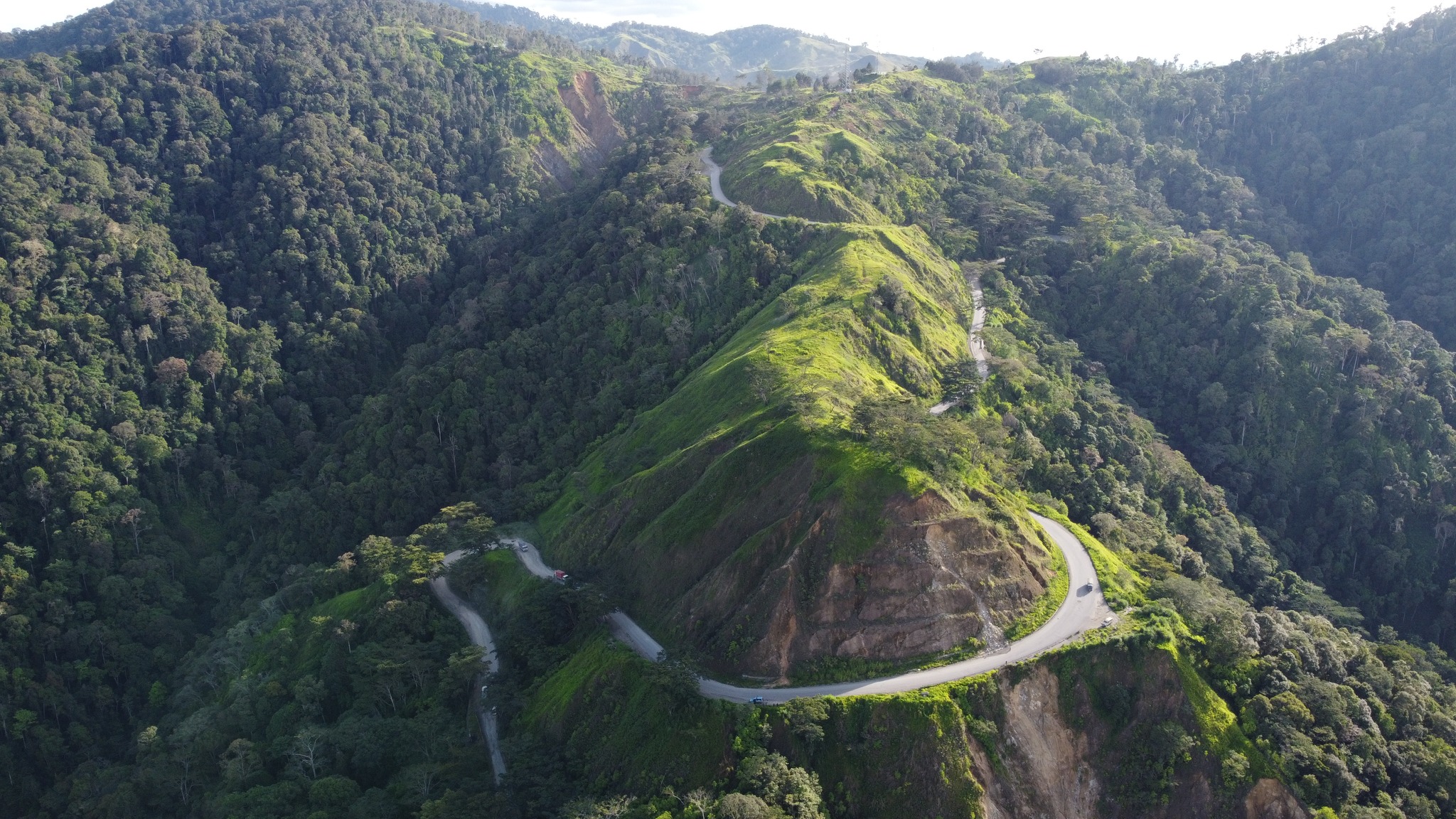
In recent years, DOWH has taken back major construction roles, including the emerging road links from Port Moresby to the Highlands and Momase regions — investments warmly welcomed by rural communities.
But rebuilding a dependable, nationwide maintenance system will take time.
The lesson from 41/95 is simple: reforms that weaken essential institutions can take a generation to undo, and the price is paid by every family, farmer and province relying on safe, open roads.