
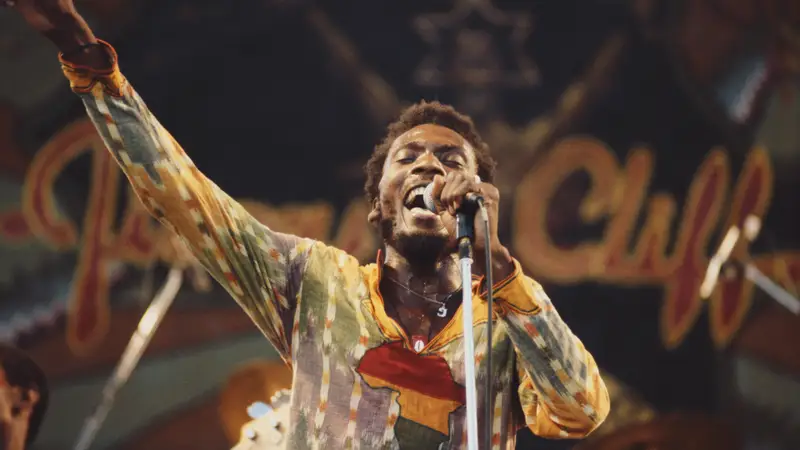
The world lost a true musical pioneer when Jimmy Cliff passed away on 24 November 2025, leaving behind a legacy that reshaped modern music. Born James Chambers in rural Saint James, Jamaica, Cliff rose from modest beginnings to become one of the most influential voices in reggae. Over more than six decades, he helped carry Jamaica’s sound to global audiences, becoming a cultural ambassador whose music bridged continents, generations and struggles.
Early Life and the Rise of a Star
Cliff’s musical journey began in the countryside, where he grew up fascinated by the hymns of local churches and the lively rhythms drifting through village gatherings. As a teenager, he moved to Kingston, adopting the name “Jimmy Cliff” and pursuing music with determination and a sense of purpose beyond his years.
His first major success came with the early 1960s single “Hurricane Hattie,” a hit that helped define the emerging ska sound. More songs followed, each building his reputation as Jamaica’s newest bright voice. His move to London in the mid-1960s marked another turning point, exposing him to broader audiences and allowing him to experiment with blending Caribbean rhythms with international influences.
As Jamaican music evolved from ska to rocksteady and eventually reggae, Cliff adjusted seamlessly, becoming one of the genre’s key architects. His expressive tenor voice and thoughtful songwriting helped define the emotional and spiritual depth that would come to characterise reggae worldwide.
A Global Breakthrough Through Film and Song
Jimmy Cliff’s global impact exploded in 1972 with the release of the film The Harder They Come, where he played the lead role of Ivanhoe Martin. The film portrayed the harsh realities of Kingston life, and Cliff’s performance resonated deeply with international audiences hungry for new cultural voices.
Just as influential was the soundtrack, featuring his songs “You Can Get It If You Really Want,” “Many Rivers to Cross,” “Sitting in Limbo,” and the iconic title track. The soundtrack became a cornerstone of reggae’s rise outside Jamaica, introducing the genre to listeners who had never heard its rhythms before. Many music historians credit this album with lighting the fuse that would later launch reggae into global consciousness.
Cliff’s storytelling and political awareness made him more than an entertainer. He became a chronicler of struggle and resilience, offering listeners a lens into the social and cultural landscape of Jamaica.
Legacy, Humanitarian Work and Enduring Influence
Throughout his long career, Cliff never stopped experimenting. He embraced pop, rock, world music and various revivals of ska and reggae, proving that creativity thrives in constant reinvention. Hits like “Wonderful World, Beautiful People” and his later cover of “I Can See Clearly Now” expanded his reach to new generations.
Beyond music, Cliff devoted himself to humanitarian causes, often speaking about education, youth empowerment and peace. His commitment to uplifting others earned him national and international recognition, including Jamaica’s Order of Merit and his induction into the Rock and Roll Hall of Fame in 2010.
Up until recent years, he continued to perform and collaborate, maintaining the energy and passion that defined his work since childhood. His passing marks the end of an extraordinary era, but his influence endures worldwide.
Jimmy Cliff didn’t just create songs; he created pathways for reggae to travel the world. His music carried the spirit of Jamaica across oceans, touching hearts and shaping cultures. His legacy is timeless — a reminder of the power of rhythm, resilience and the human voice.