Lae is preparing for its most ambitious housing expansion in nearly half a century, with a new development at Igam set to reshape the city’s urban landscape and provide long-awaited relief to families seeking serviced land.
The project, a partnership between the Lae City Authority (LCA), Comrade Trustee Services Limited (CTSL) and its subsidiary Toea Homes Limited (THL), promises 1,300 serviced residential allotments alongside a commercial precinct, community facilities and public utilities.
For a city that has struggled for decades with limited housing supply and rising demand, the scale of the development marks a turning point. The last comparable project was in 1975, when Lae saw its most recent large-scale land release. Since then, population growth and unregulated settlement expansion have placed mounting pressure on land, services and infrastructure.
Housing – A longstanding commitment
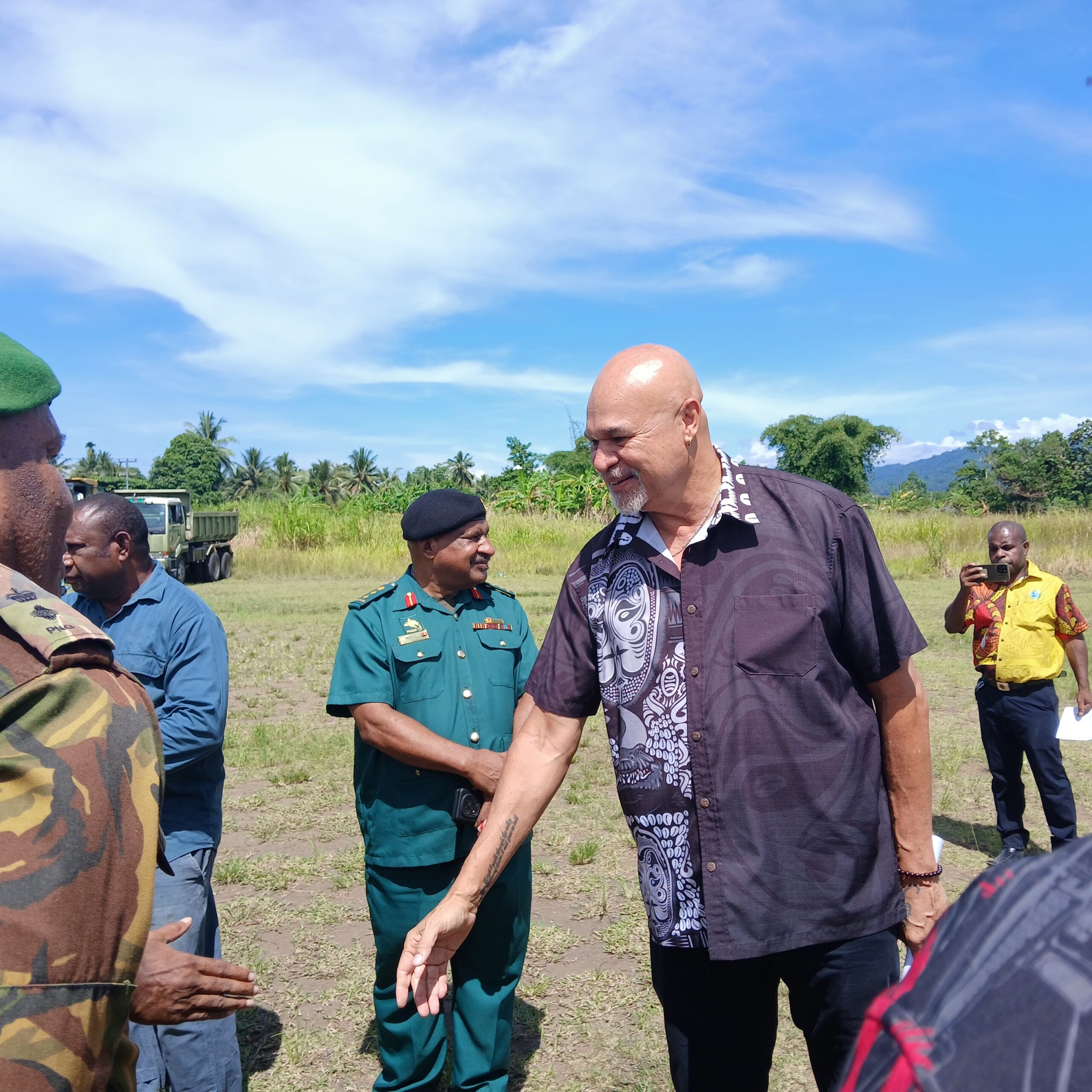
Member for Lae and Minister for Lands, John Rosso, described the initiative as the fulfilment of a longstanding commitment to provide working Papua New Guineans with access to properly serviced land.
“It is my wish to ensure the people of Lae can now buy serviced land provided through Toea Homes and finally build a dwelling to call a home,” he said.
The statement reflects years of advocacy by Rosso, who pushed for State land at Igam to be unlocked and made available for public benefit. His support has been central to the project’s progress, enabling the public–private partnership that now underwrites its development.
THL Chairman, Charles Lee, said the K200 million project represents not just a housing expansion but the creation of a modern, master-planned community.
“This milestone project would not have been possible without Hon. Rosso’s vision, determination, and commitment to ensuring land is made available for working Papua New Guineans,” he said.
The development includes far more than residential blocks. Plans feature a new school, a health centre, commercial facilities, green spaces and essential utilities — elements Lee says are “integrated into a complete, modern community” rather than added as afterthoughts.
Long term sustainability
The goal, he says, is long-term sustainability rather than piecemeal growth.Over the next decade, nearly K1 billion is expected to flow into the Lae economy through construction, business activity and household investment. The commercial precinct — which will include a supermarket, service station and other retail services — is expected to stimulate small business participation and generate new employment.Urban planners say the timing is significant.
With major projects such as Wafi-Golpu on the horizon, demand for quality housing is set to rise sharply. Without a coordinated approach to land release, Lae risks the kind of unchecked settlement growth that has complicated service delivery and policing in other urban centres.
For Defence Force Retirement Benefits Fund (DFRBF) members, the development offers an added layer of opportunity. THL plans to provide discounted access to retiring servicemen and women to support their transition from institutional housing into private homeownership — a shift that could help build long-term family wealth.Work begins immediately.
Land clearing and perimeter works are set to run from December until June next year, with civil servicing to start in July. The first allotments are expected to go on sale in the final quarter of 2026.
For a city long constrained by limited serviced land, the Igam project signals more than urban expansion. It marks a shift in how Lae — and potentially other centres — might approach future development: planned, properly serviced, and aimed at giving working Papua New Guineans a foothold in an increasingly unforgiving housing market.