
In Papua New Guinea, before you talk about recipes, you talk about fire.
Fire is where flavour starts. Before gas stoves, before electricity, before someone told us soot was a problem, there was wood, flame, smoke, and patience. You didn’t rush food over fire. Fire decided when the food was ready.
Anyone who tells you food tastes the same on a gas stove has either never eaten properly or is lying to protect their kitchen benchtop.
Fire adds something modern kitchens can’t replicate. Smoke isn’t a side effect — it’s an ingredient. It settles into chicken skin, seeps into kaukau, flavours the gris rice, wraps fish in a quiet bitterness that tells you this meal was earned. Over fire, food behaves differently. It listens. It takes its time.
In the village, fire is still the main kitchen. Three stones, blackened pots, and someone always crouched low, stirring with a stick that has seen better days. Mumu pits are dug not for convenience but for importance. You don’t mumu for a quick lunch. You mumu when people are coming, when something matters, when you want food to arrive with ceremony.
Town didn’t kill fire cooking — it just adapted it.
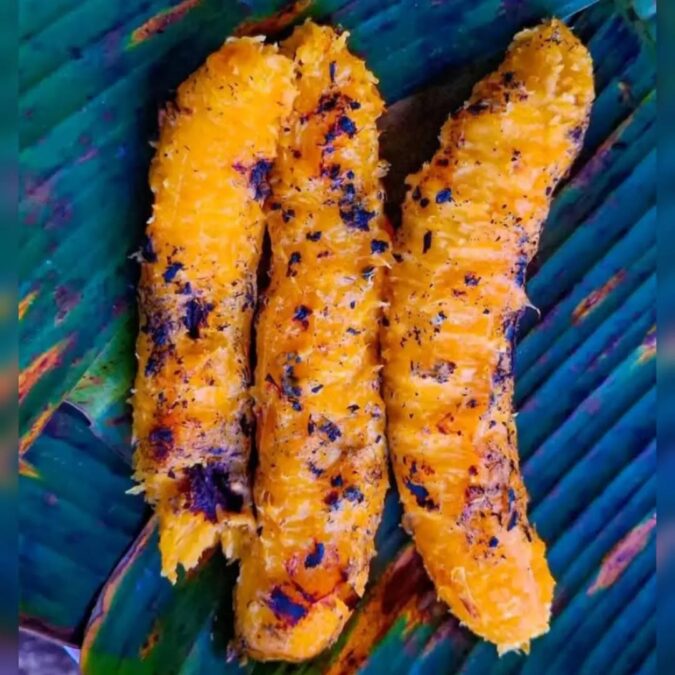
In urban PNG, fire lives in backyards, in oil drums cut in half, in roadside grills sending smoke into traffic. Chicken wings wrapped in newspaper. Fish grilled until the skin cracks. Sausages cooked dangerously close to flames that have no respect for safety standards.
Gas stoves exist. Electric stoves exist. But when the power goes off — and we all know it will — fire doesn’t flinch. It doesn’t care about PNG Power schedules or prepaid meters. Fire shows up every time, no questions asked.
This is why PNG households keep a secret stash of firewood even when they own a stove. Fire is backup. Fire is insurance. Fire is that uncle who never has money but always turns up when things go bad.
But fire does something else too — something quieter.
Food cooked over fire heals. Not in a medical sense, but in the way memory heals. The smoke carries stories. It reminds you of a grandmother who sat low by the fire, slowly turning bananas until the skin split and caramelised. Of aunties who fed you without asking if you were hungry. Of meals eaten squatting, laughing, burning your fingers because patience was optional back then.
You don’t just taste the food. You taste where you come from.
Cooking over fire is also social. Nobody cooks alone over flames. Someone is always watching, advising, correcting. Someone is always chewing buai nearby, spitting thoughtfully, giving instructions they have no intention of following themselves.
Fire creates conversation. You wait together. You talk. You argue. You tell stories. The food becomes secondary for a while, which is exactly why it tastes better when it finally arrives.
There’s a modern idea that fire cooking is backward, inefficient, something to be “upgraded.” But anyone who’s eaten chicken rushed on a gas stove knows progress isn’t always improvement. Some things lose their soul when you make them too clean.
Fire cooking leaves marks — on pots, on hands, on clothes. It’s messy. It smells. It refuses to be polite. But it produces food that remembers where it came from.
In PNG, when things matter — funerals, feasts, celebrations, power cuts, moments of comfort — we still turn to fire. Not because we have no choice, but because deep down, we know better.
Gas cooks food.
Fire heals, remembers, and tells a story.
And in this country, stories matter just as much as taste.