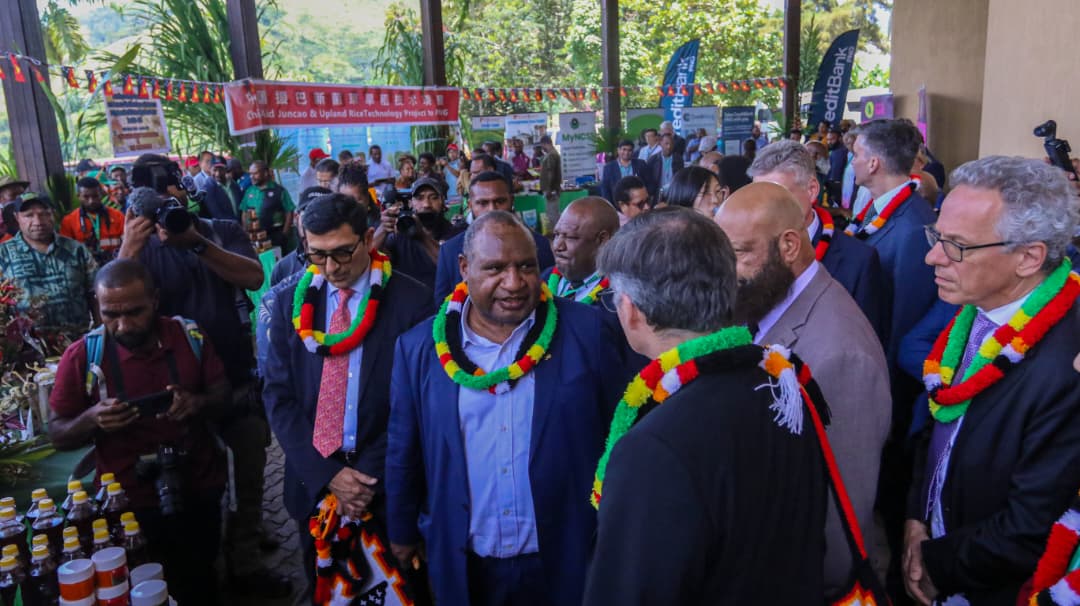
The Papua New Guinea government has launched Agri-Connect, a major agriculture development program backed by international partners that aims to expand farming, agribusiness and rural employment across the country.
The initiative brings together the PNG government, the World Bank Group and several development partners in a K1 billion program (US$250 million) designed to strengthen agricultural value chains and connect farmers, agribusinesses and markets.
The program was launched at the University of Goroka in Eastern Highlands Province and supports Papua New Guinea’s National Agriculture Sector Plan (NASP) 2024–2033, which aims to modernise the sector over the next decade. The plan focuses on expanding production across commodities such as coffee, cocoa, spices, rice and livestock while improving processing capacity, infrastructure and market access.
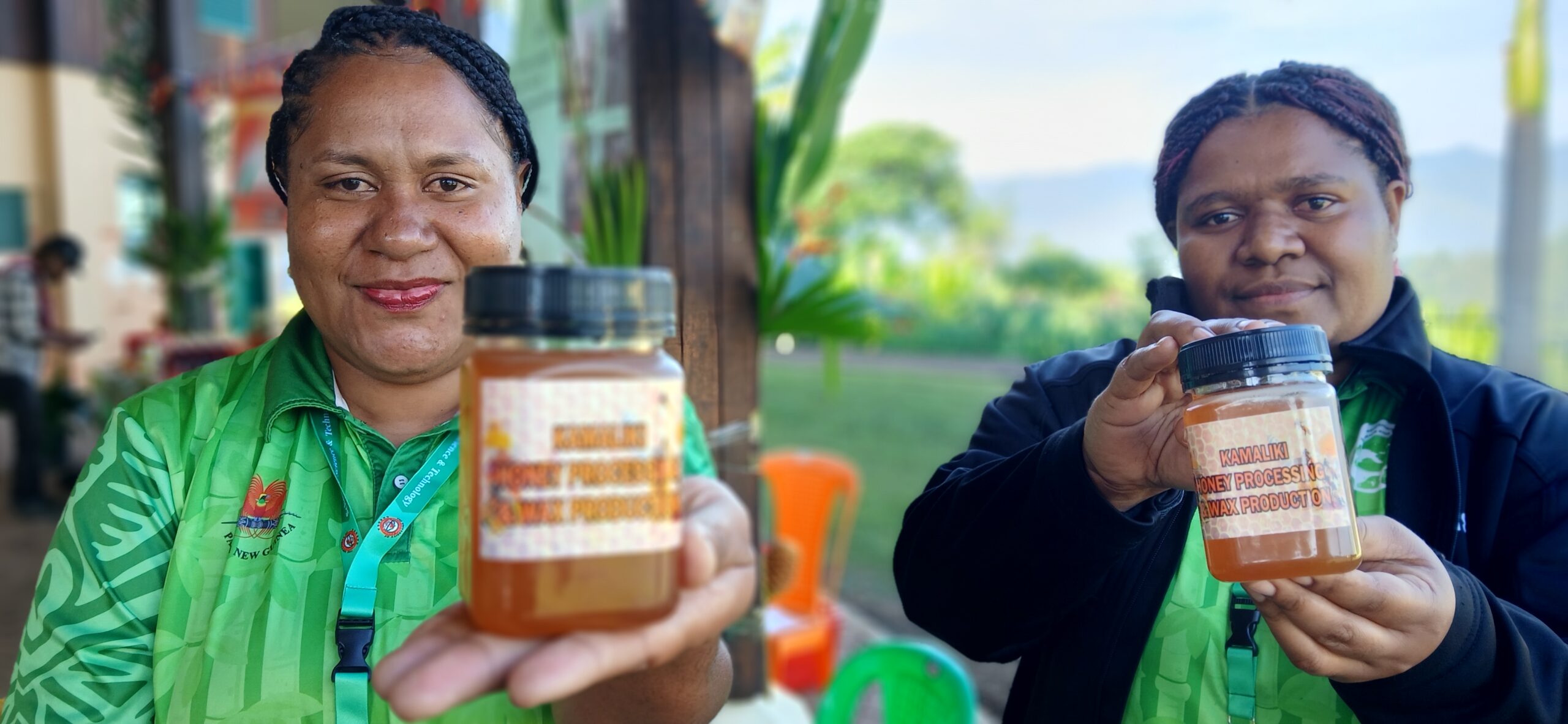
For decades, agriculture has routinely been described by successive governments as “the backbone of the economy.” Yet the sector has often struggled with inconsistent government funding, fragmented programs and weak infrastructure. While most Papua New Guineans still rely on farming for income and food security, agriculture’s share of the national economy has gradually declined as mining and petroleum projects expanded.
Prime Minister James Marape said the government wants to reverse that trend by positioning agriculture as a central driver of jobs and rural income.
“We cannot rely solely on mining and oil and gas for mass employment. Agriculture is where we can create economic activity for families across the country,” Mr Marape said.
He said the government’s longer-term ambition is to support one million farming families, arguing that relatively modest agricultural incomes could collectively have a major impact on the national economy.
“If one million families earn K10,000 a year, that is K10 billion added into the economy annually,” he said. PRESS RELEASE – Prime Minister…
Agriculture Minister John Boito said Agri-Connect is designed as a national platform that brings together programs that previously operated in isolation.
“Agri-Connect is the connective tissue for the National Agriculture Sector Plan,” Mr Boito said.
“It aligns value chains with infrastructure, biosecurity and digital systems so agriculture can grow in a coordinated and sustainable way.”
Rather than focusing on individual farming projects, the initiative aims to strengthen the entire agricultural ecosystem. This includes connecting farmers with buyers and exporters, improving storage and processing facilities, expanding access to finance and training, and introducing digital systems to improve agricultural data and market access.
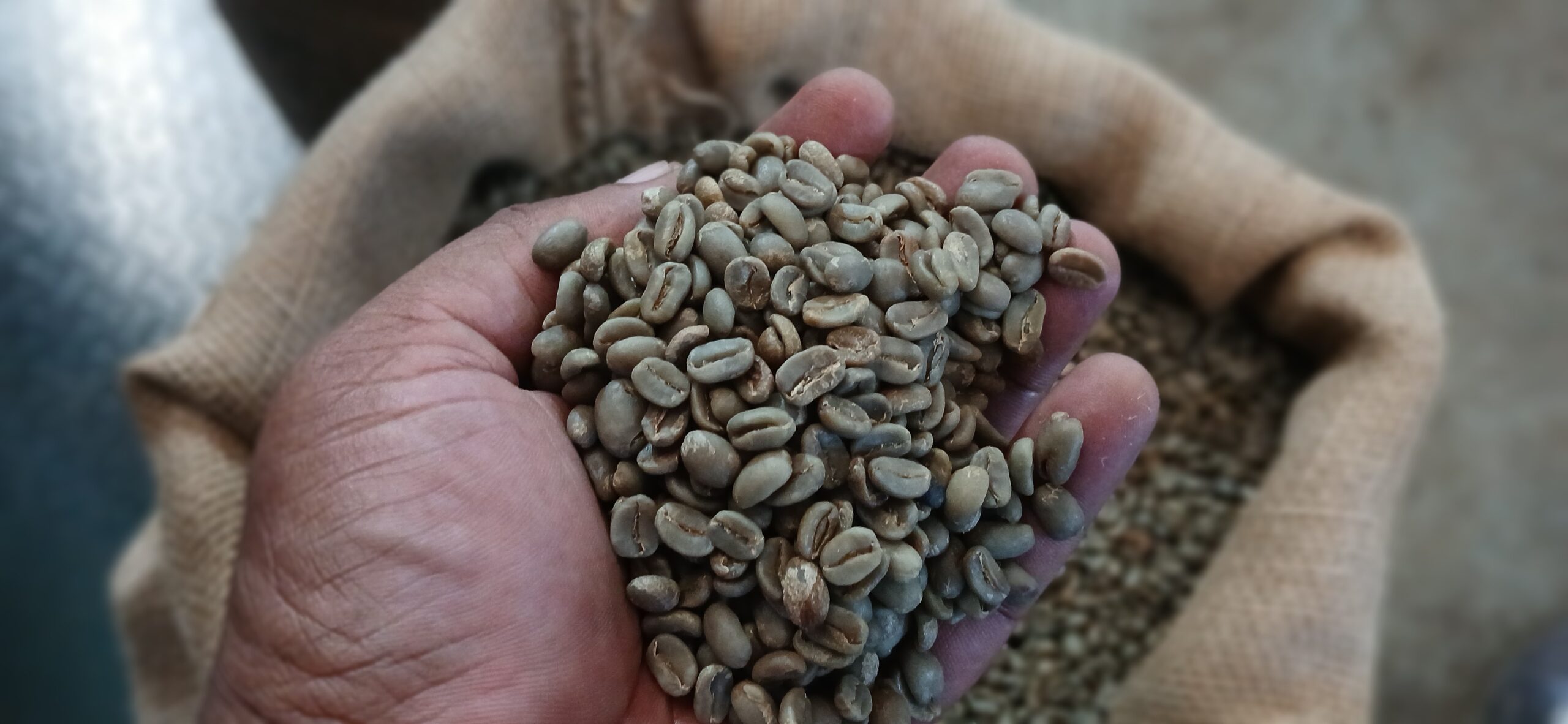
The program builds on earlier initiatives supported by development partners that have already assisted more than 60,000 smallholder households and rehabilitated millions of coffee and cocoa trees across the country.
World Bank Vice President for East Asia and the Pacific Carlos Felipe Jaramillo said the program reflects a broader effort to support job creation in Papua New Guinea.
“Creating and improving the quality of jobs is at the core of the World Bank Group’s mission,” Mr Jaramillo said.
“Agriculture can contribute a lot to improving livelihoods and job opportunities in Papua New Guinea.”
Agri-Connect is also supported by partners including the International Finance Corporation, the International Fund for Agricultural Development and the Asian Infrastructure Investment Bank.
The program aims to help shift agriculture in Papua New Guinea from largely subsistence farming toward more commercial agribusiness, with the government and development partners hoping the initiative will eventually reach hundreds of thousands of smallholder farmers across the country.