

At the turn of the century, Papua New Guinea’s financial system stood on the edge
collapse. Inflation was rising, institutions were weakened by political interference, and the
funds meant to protect people’s savings were being steadily undermined. What followed
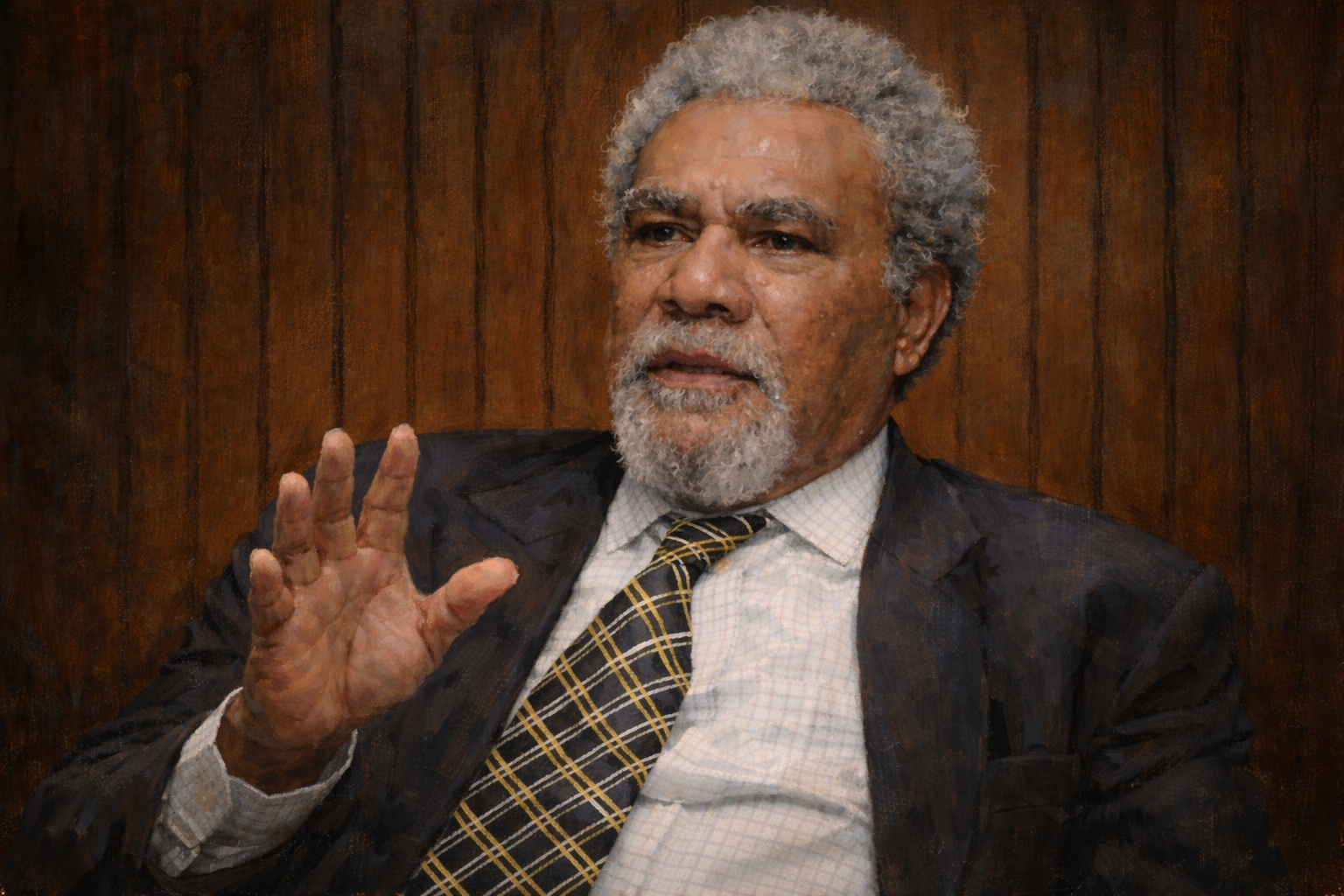
between 1999 and 2002 under Prime Minister Sir Mekere Morauta was not simply reform—it
was a reset of the system itself.
Two decades on, the impact of those decisions is still visible. CTSL is one of the clearest
examples of how those reforms translated into real institutional change.
Before that shift, the Defence Force Retirement Benefit Fund (DFRBF)—later managed by
CTSL—reflected many of the problems across the system. Following the split of the Fund
into two schemes – a defined benefits and a defined contributions schemes in November of
2015, it started experiencing challenges including but not limited to weak governance,
structurally poor investment decisions and operational challenges. Oversight existed in
name, but not in practice.
The reforms changed that. It provides a safeguard.
The Superannuation (General Provisions) Act 2000 introduced a new framework for how
retirement funds were run. It required independent trustees, licensed investment managers,
and licensed fund administrators. The aim was straightforward: remove political influence
and replace it with systems that could be tested, monitored, and held accountable.
For CTSL, this was the starting point.
When CTSL took over as trustee in 2003, it inherited a fund still carrying the weight of past
failures. The difference this time was the environment it operated in. Decisions were no
longer made informally or without scrutiny. Processes had to be followed. Standards had to
be met. And importantly, there were consequences if they weren’t.
That structure created space for gradual recovery.
CTSL now manages a dual scheme—combining a defined benefit system with an
accumulation fund. It is not a simple model. It requires constant balancing, supported by
actuarial input and careful oversight. But it is also the kind of complexity that a regulated
system is designed to manage.
Progress, however, has not been without setbacks.
In July 2019, the Bank of Papua New Guinea stepped in and appointed a statutory manager
after identifying governance issues. It was a clear signal that the standards introduced by
reform still matter—and that they are enforced.
What followed was a correction rather than a collapse.
A new board was installed in February 2023, selected on merit. Internal systems were
stabilised. Governance practices were tightened. By 2025, CTSL reported a net asset base of K899 million and a net profit of K99 million, with a 12.5 percent return credited to
members.
Those numbers tell part of the story. The rest is about confidence and behavioral integrity in
how the fund is governed — slowly rebuilt.
CTSL’s recovery sits alongside the broader performance of PNG’s superannuation sector.
Larger funds like Nasfund and Nambawan Super have grown significantly, but they operate
under the same framework introduced in 2000. CTSL’s trajectory, though more measured,
reflects the same underlying shift.
The key difference is structural.
By separating governance from politics and introducing professional standards, the reforms
created institutions that could withstand pressure. Even when problems emerged, as they
did in 2022, there were mechanisms to intervene and restore order.
That is the enduring effect of the Morauta reforms.