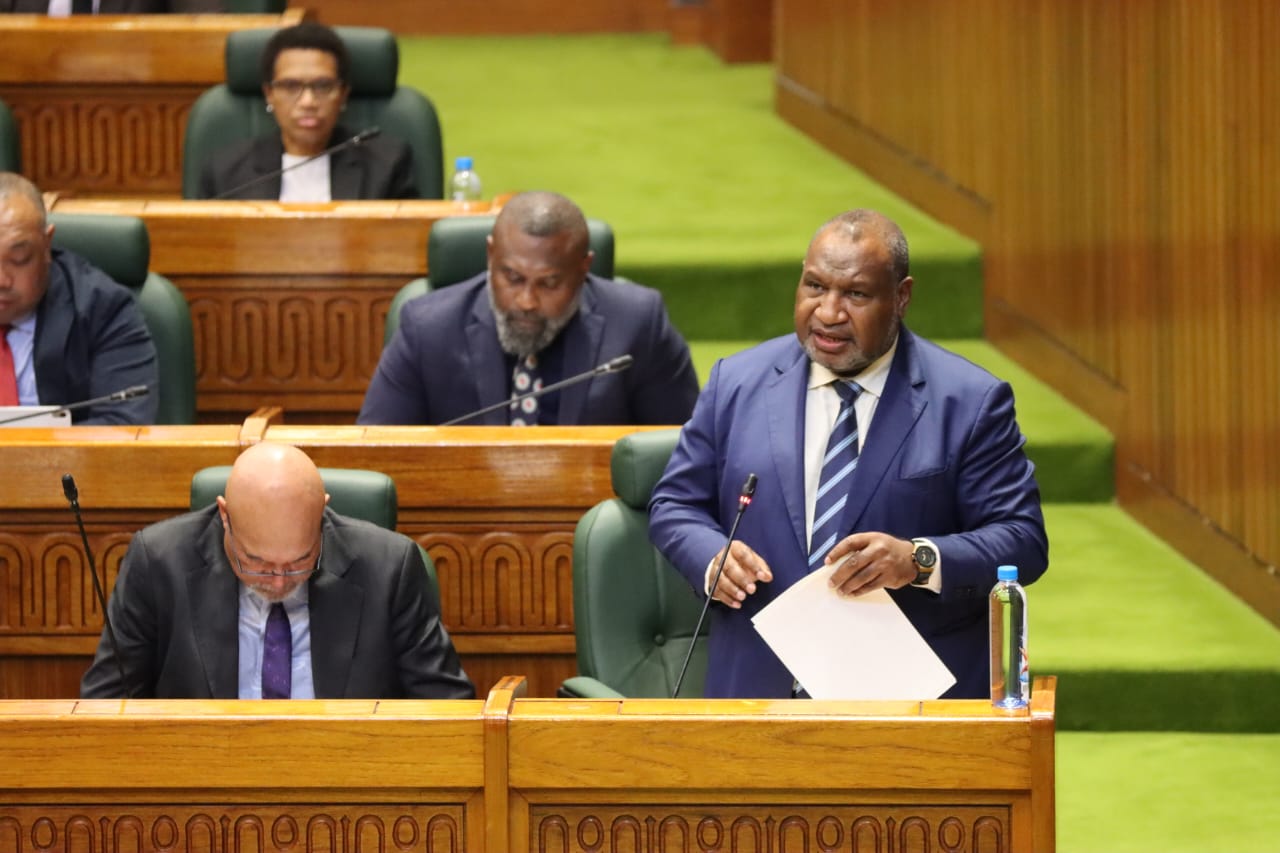
The recent debate in Papua New Guinea’s Parliament on Bougainville’s political future was always going to be emotional. It touched on history, national identity, the legacy of conflict and competing visions for the future of the country.
But beyond the sharp exchanges and political rhetoric, the debate revealed something more important: Papua New Guinea is entering the most consequential phase of the Bougainville peace process since the signing of the Bougainville Peace Agreement in 2001.
The immediate trigger for the debate was the tabling of the Bipartisan Parliamentary Committee report, which gathered views from consultations conducted across the country. The report itself did not recommend a specific outcome on Bougainville’s future status. Instead, it presented a range of opinions on independence, autonomy and national unity.
As Members of Parliament rose to speak, the debate reflected the difficult balance facing the nation. Some argued that Bougainville’s overwhelming vote for independence in the 2019 referendum must be respected. Others questioned whether the region has the economic and institutional capacity to function as an independent state.
Prime Minister James Marape sought to frame the discussion within the broader peace process.
“We must never forget that the peace agreement gave us a pathway to settle our differences through dialogue and constitutional processes, not through conflict,” he told Parliament.
The Prime Minister’s remarks highlighted an important reality. The Bougainville issue is not simply a constitutional question. It is the culmination of decades of political aspirations, grievances and reconciliation efforts that followed one of the Pacific’s most devastating conflicts.
At the same time, some contributions to the debate revealed the anxieties that exist elsewhere in Papua New Guinea. Questions were raised about national unity, economic sustainability and the precedent that independence could create for other parts of the country.
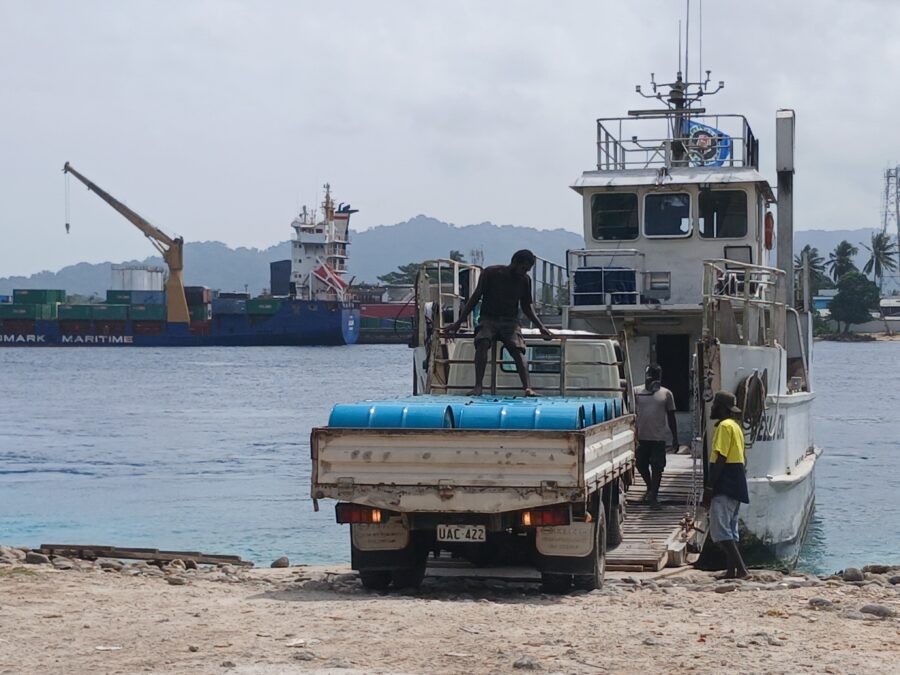
For many Bougainvilleans, however, the discussion is viewed through a different lens. They see the referendum result as a clear expression of democratic will and expect the national government to honour both the outcome and the spirit of the peace agreement.
President Ishmael Toroama has repeatedly argued that the referendum result carries significant moral and political weight.
“The people of Bougainville have spoken clearly through the referendum, and their voice must be respected,” he said following discussions on the region’s political future.
The debate also demonstrated that many Papua New Guineans remain uncertain about what independence would mean in practical terms. Questions about revenue generation, governance capacity, security arrangements and international recognition remain unresolved. These concerns deserve careful consideration rather than political grandstanding.
Yet there is another perspective worth recognising. The very fact that these issues are being debated openly in Parliament represents a significant achievement. Twenty years ago, disagreements over Bougainville’s future were settled through violence. Today they are being contested through democratic institutions and constitutional processes.
The challenge now is ensuring that the conversation does not become trapped in simplistic narratives of victory or defeat. The Bougainville Peace Agreement was designed to create space for negotiation, compromise and mutual respect. Those principles remain just as important today as they were when the agreement was signed.
Whether Bougainville ultimately becomes independent or remains within Papua New Guinea under a different political arrangement, the decision must strengthen peace rather than undermine it. The parliamentary debate showed that difficult conversations still lie ahead. It also demonstrated that the future of Bougainville will require patience, political courage and a commitment by both sides to honour the spirit of the peace process that brought an end to conflict.