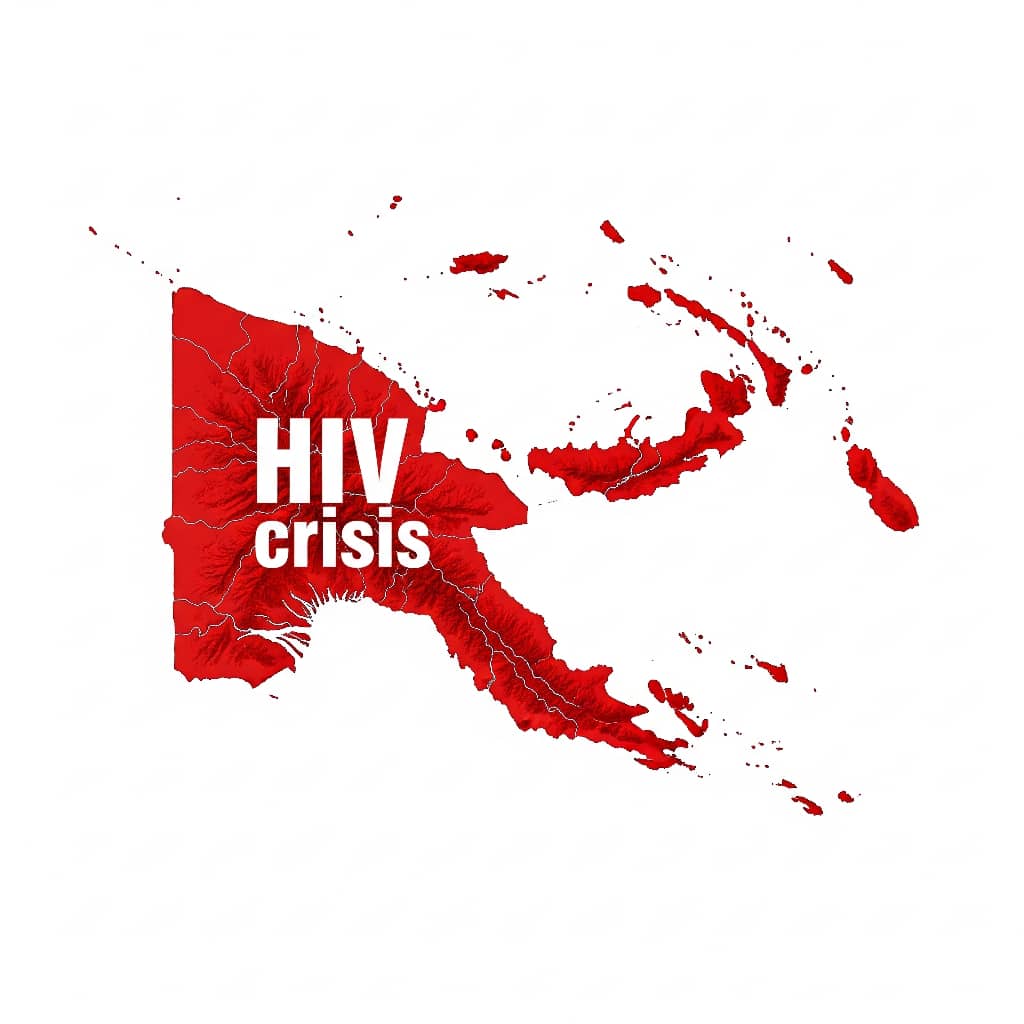
The PNG government has just declared a National HIV Crisis because the numbers have risen alarmingly.
We’re talking about a sharp increase in HIV cases since 2010, with roughly 30 new infections happening every single day in 2024, totaling about 11,000 new cases just last year alone. This is an alarming trend that demands immediate attention, hitting women, children, and young people particularly hard.
One of the most disturbing parts of this crisis is how many babies are being born with HIV. In 2024 alone, around 2,700 infants were newly infected – that’s like seven babies a day. The main reason this is happening is that most mothers were unaware of their HIV status and, consequently, didn’t receive the crucial antiretroviral therapy (ART) that could have stopped the virus from passing to their little ones during pregnancy or breastfeeding. This clearly shows a huge and urgent gap in maternal health, and there’s an immediate need to boost antenatal care uptake and offer broad HIV testing, counselling, and treatment services for all pregnant women across the nation.
The Health Minister, Hon. Elias Kapavore, didn’t hold back when he spoke about the gravity of the situation. He said, “The rise in new HIV infections in PNG is deeply concerning. And as such, I am declaring this a National HIV Crisis”.
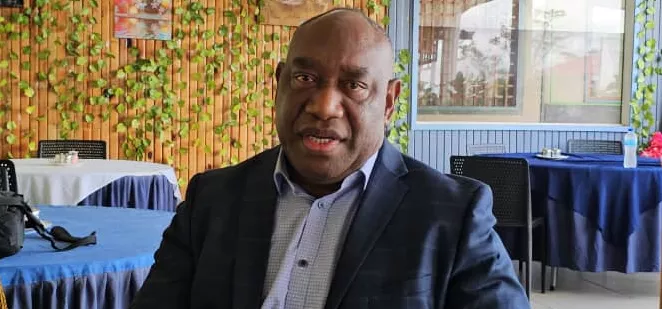
Minister Kapavore also really emphasized how inequality plays a role in this epidemic and stressed his commitment to addressing it. He explained, “HIV is a disease of inequality. We need to support and empower those most impacted. It is time for all of us to step-up. I personally commit to raising this issue with my fellow ministers and parliamentarians and ensuring the urgent allocation of resources to protect our people – especially the next generation of Papua New Guineans”.
Mr. Ken Wai, the Acting Secretary of the Department of Health, backed up the Minister’s urgent call to action, emphasizing the critical need for expanded access to vital services. “We must scale-up access to HIV testing and treatment, particularly for groups most at risk”. He added that these critical initiatives need to be available at health facilities nationwide and that robust community leadership and support will be absolutely vital.
Dr. Sevil Huseynova, who represents the World Health Organization in Papua New Guinea, highlighted the paramount importance of strong health systems in this fight. She said, “We must strengthen our health systems to ensure universal access to HIV testing, treatment, and prevention services, especially for pregnant women and young people. This is a test of our collective commitment to health for all. WHO stands firmly with the Government of Papua New Guinea to scale up integrated, person-centered care that leaves no one behind”.
Manoela Manova, the UNAIDS Country Director for Papua New Guinea, strongly endorsed the statements from the Health Minister and Acting Secretary, drawing urgent attention to the pervasive issue of stigma. She stated, “This is a shared public health crisis that demands shared responsibility. Everyone has a role to play in dismantling harmful myths, stigma, and discrimination associated with HIV. These attitudes undermine prevention, testing and treatment efforts, and hold us back from ending HIV as a public health threat in Papua New Guinea”.
The United Nations stands in full solidarity with the government to contain this crisis, with UN Resident Coordinator in PNG Richard Howard stating, “We cannot afford to lose another generation to HIV. The time to act decisively – through coordinated leadership, strategic investment, and community-driven solutions – is now”.
Adding a crucial community perspective, Lesley Bola, Executive Director of the Key Population Advocacy Consortium (KPAC), underscored the human element of the crisis, stating with urgency, “Behind every statistic is a real person—someone’s child, friend, partner. We cannot end this crisis without meaningfully engaging the people most affected: key populations, women, youth. Community-led action is not optional – it is essential. We urge government, donors, and all partners to support scaled-up, human rights-based, community-driven HIV responses. The future of Papua New Guinea hinges on bold, urgent action – now”.
The declaration of a National HIV Crisis will immediately trigger an emergency response plan, aiming to enhance cross-sector coordination and prioritize urgent investments in HIV services at all levels.