The budget has been passed — the largest in Papua New Guinea’s history — but senior MPs from across the political divide have delivered an unusually blunt warning: record spending will not translate into better services unless the government confronts deep structural problems in how money is raised, released and managed.
The 2026 national budget, worth K30.9 billion, sailed through Parliament with the government’s commanding majority. Yet the debate that preceded the vote revealed rare unity among seasoned politicians concerned that the scale of spending does not match the reality on the ground.
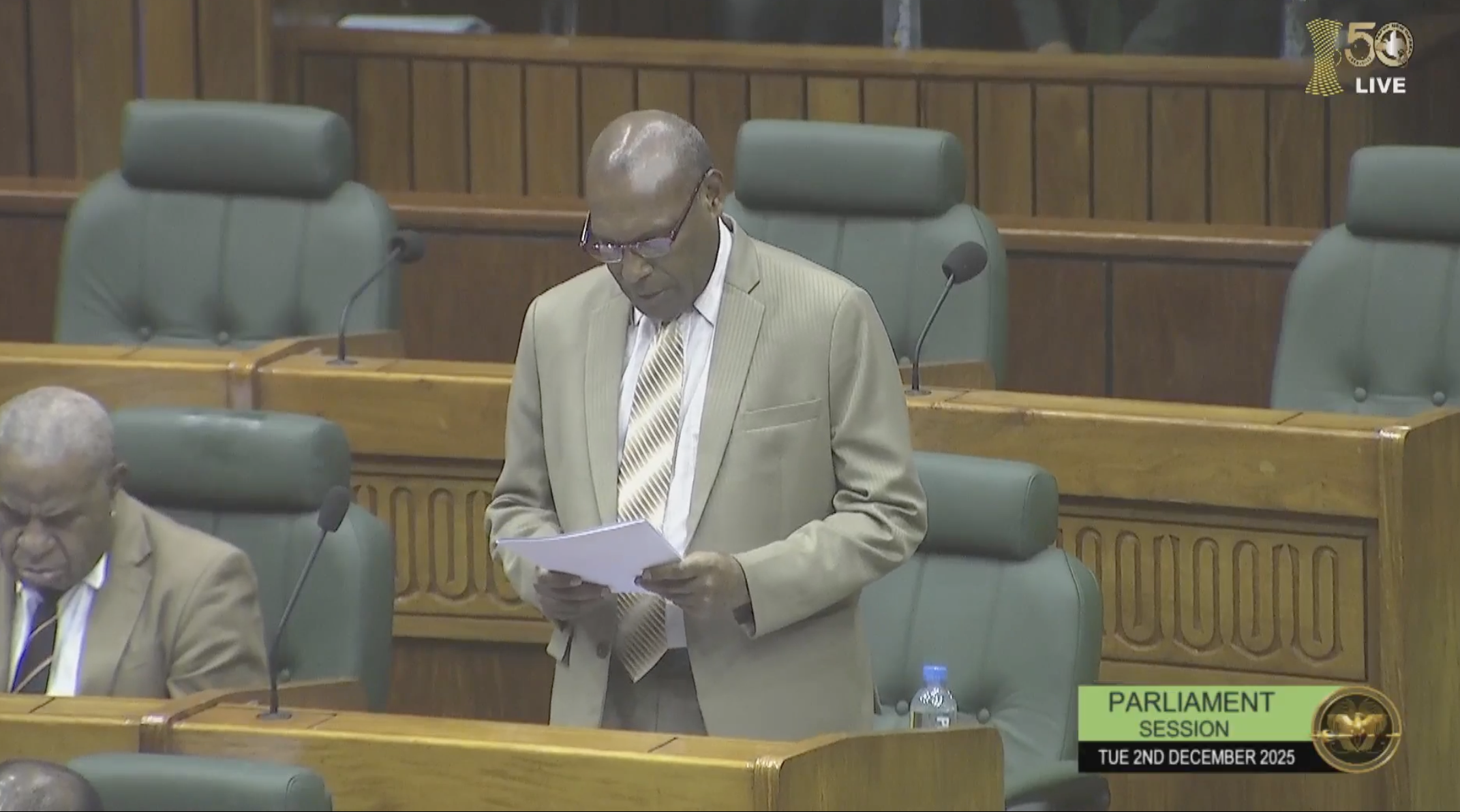
The alarm was first raised by Joseph Yopyyopi, Chairman of Parliament’s Plans and Estimates Committee. His committee’s review found revenue assumptions “overly optimistic”, the deficit underplayed and cash-flow problems likely to persist in 2026.
Yopyyopi said the government was at risk of repeating the same failures seen in 2024 and 2025, where delays in cash releases forced provinces to scale back essential services.
“When figures continue to exceed economic realities, the social contract between government and the people is placed at risk,” he told Parliament, urging the government to adopt realistic forecasting and tighten fiscal discipline.
His assessment cut through the chamber, triggering a wider conversation about whether record budgets are actually reaching Papua New Guineans in clinics, classrooms and rural districts.
Across the country, health centres have shut down due to shortages of medicine. PHAs have suspended curative services. Provincial governments say functional grants arrive months late, if at all. Rural roads remain in disrepair, leaving communities isolated. Schools struggle with basic materials. And the cost of living continues to rise.
East Sepik Governor Allan Bird said the disconnect between the size of the budget and the state of public services was now too large to ignore.
“When will these record budgets translate into record solutions?” he asked. “Our people simply want safety, power, water, food and dignity — and this budget, like the ones before it, is not delivering that.”
Bird warned that cash-flow failures were compounding year after year. He pointed to K1.5 billion in floating cheques in 2023 and K1.8 billion in 2024 — debts carried into the following year before a single toea of new expenditure is released. He said many provinces are being forced to redirect PSIP and DSIP funds — meant for development — into emergency service delivery just to keep essential operations alive.
Former prime minister Peter O’Neill also raised concerns during the debate. He argued that while deficit spending can support growth when targeted at infrastructure, the government’s current borrowing is increasingly used to “keep the system running” rather than to build long-term assets.
He and Yopyyopi also criticised proposed amendments to the Internal Revenue Commission Act, warning that adding political oversight risks undermining one of PNG’s most effective and independent institutions.
With the 2026 budget now passed, MPs say the real test begins. Whether provinces receive their functional grants on time, whether hospitals are resupplied, whether contractors are paid and whether the government reins in unrealistic revenue projections will determine whether this record budget delivers more than just record numbers.