

Prime Minister James Marape has announced a new package of housing and tax reforms aimed at making home ownership more accessible for working Papua New Guineans, signalling that housing affordability will remain a central policy focus heading into 2026.
Speaking during a site visit in Tari, Hela Province, the Prime Minister outlined measures that include the removal of stamp duty on first-home purchases under K700,000, the removal of 10 per cent GST on first-time home purchases, and the allocation of state land for first-time home buyers across both the public and private sectors.
“We want employment to translate into long-term security,” the Prime Minister said. “Every working Papua New Guinean should have the opportunity to own a home in their country.”
The announcement builds on earlier cost-of-living reforms and reflects growing recognition that housing costs, particularly in urban centres, are becoming one of the most significant barriers to financial stability for ordinary households.
Here’s what you should know
- First-home buyers purchasing homes under K700,000 will no longer pay stamp duty.
- 10 per cent GST will be removed on first-time home purchases, reducing upfront costs.
- Government intends to allocate state land specifically for first-home buyers.
- The policy is aimed mainly at working, formal-sector earners, not investors.
- The biggest savings come from GST removal, which can amount to tens of thousands of kina.
- The land allocation component is potentially transformative, but currently lacks detail.
Why this announcement matters
Housing affordability has quietly become one of Papua New Guinea’s most pressing structural challenges. In cities such as Port Moresby and Lae, house prices have risen faster than wages, while access to formal housing finance remains limited to a relatively narrow segment of the workforce.
For many working households, the main barrier is not monthly repayments alone, but the upfront costs of buying a home: GST, stamp duty, deposits, legal fees, and valuation costs. By removing stamp duty and GST for first-time buyers, the Government is directly targeting these entry barriers.
On a K600,000 home, for example, removing 10 per cent GST alone can reduce the purchase price by K60,000. When combined with stamp duty savings, the total upfront relief can approach or exceed K90,000. For households struggling to assemble a deposit, this is not marginal relief—it can determine whether a purchase is possible at all.
The Prime Minister framed the policy as part of a broader national objective, emphasising that home ownership is central to family stability and national development. In policy terms, this reflects a belief that asset ownership strengthens household resilience, reduces long-term poverty risks, and supports social stability.
How this compares with previous initiatives
The announcement does not emerge in isolation. It builds directly on measures already signalled in the 2025 National Budget and related reforms.
In the 2025 Budget, the Government raised the tax-free threshold to K20,000 and removed GST from selected essential household items as part of a wider cost-of-living response. The stamp duty threshold for first-home buyers was also lifted to K700,000, signalling early intent to support entry-level home ownership.
What the current announcement does is consolidate and sharpen those signals. Rather than incremental adjustments, it clearly frames housing affordability as a priority policy outcome. The removal of GST on first-time home purchases goes further than earlier measures by targeting one of the largest cost components in property transactions.
Previous governments have also experimented with subsidised lending, such as first-home ownership schemes offering concessional interest rates and longer loan tenures. Those initiatives recognised that affordability constraints in PNG are multi-layered: taxes, finance terms, deposits, and land availability all matter.
The current package focuses primarily on the tax and land side of the equation, leaving finance conditions largely to the banking sector.
Who is most likely to benefit
In practice, the reforms will most benefit formal-sector workers who are already close to qualifying for a home loan. These include public servants, private-sector employees, and dual-income households with stable wages and documented income.
The policy does less for informal workers and settlement residents who lack access to titled land or formal credit, unless the proposed state land allocation is designed in a way that expands access beyond existing market participants.
This is an important distinction. While the announcement is framed broadly as helping “working Papua New Guineans,” its real impact will depend on how inclusive the supporting mechanisms become.
Why the land allocation promise needs clarification
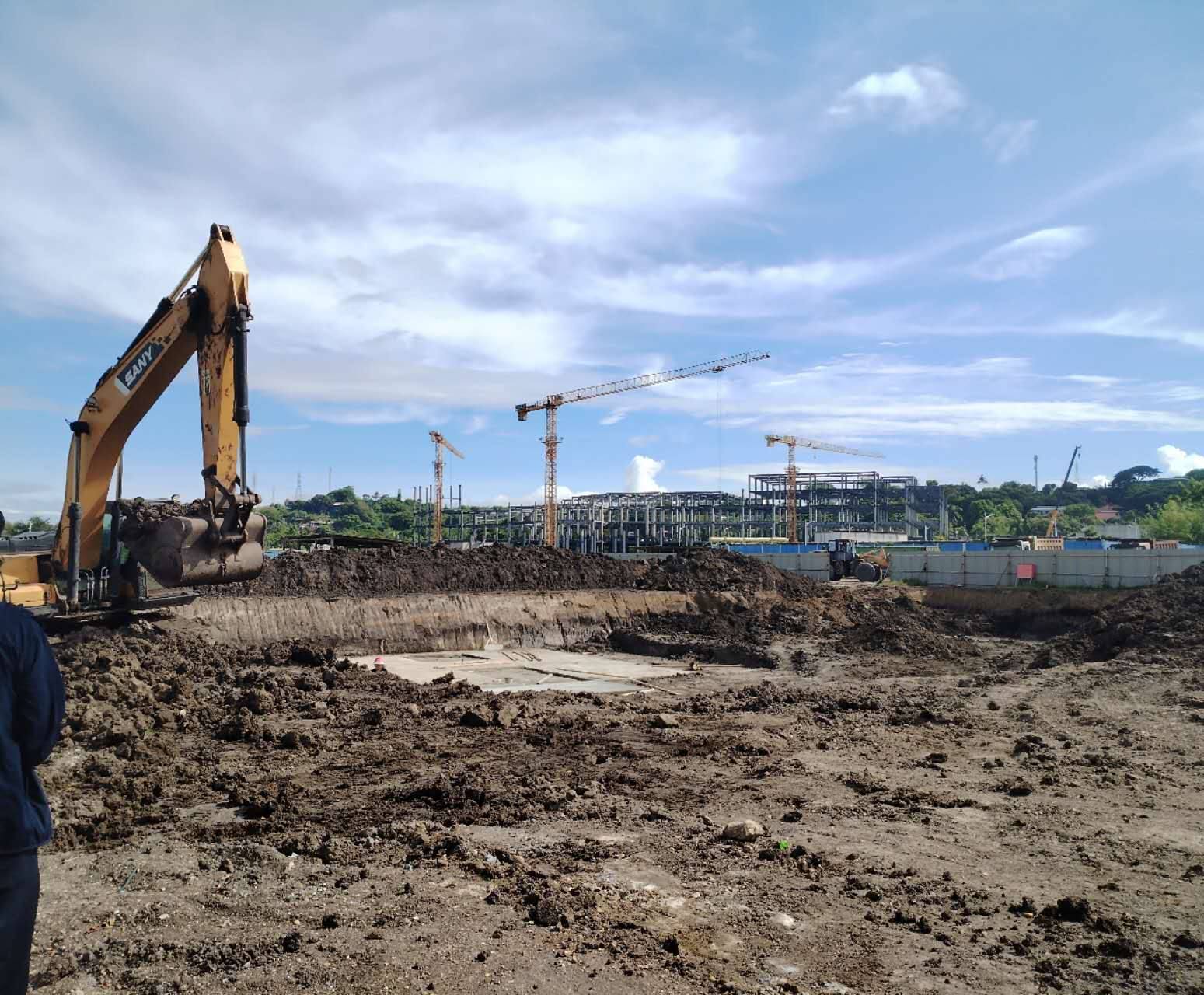
The most consequential part of the announcement is also the least detailed: allocation of state land for first-time home buyers.
If implemented well, state land allocation could address one of PNG’s deepest housing constraints—limited supply of serviced, titled land. However, past experience shows that land policy often falters at the implementation stage.
Key questions remain unanswered:
- Will the land be fully serviced with roads, water, drainage, and power, or allocated as raw blocks?
- What tenure arrangements will apply—leases, titles, or strata?
- How will land be priced, and how will speculation be prevented?
- Which agencies will manage allocation, and under what timelines?
Without clarity, there is a risk that land allocation becomes an announcement without delivery, constrained by surveying delays, planning bottlenecks, or institutional capacity issues at the Lands and Physical Planning level.
In housing policy, land is not simply a commodity—it is the foundation of supply. If the land component is not executed decisively and transparently, tax relief alone may end up being absorbed into higher prices rather than expanding ownership.
The bottom line
The Prime Minister’s announcement represents a serious attempt to lower the cost of entering the housing market for first-time buyers. By removing stamp duty and GST, the Government is addressing real, immediate barriers faced by working households.
However, the long-term success of the policy will depend less on tax changes and more on whether the promised state land allocation is clearly defined, efficiently delivered, and integrated with planning, infrastructure, and finance systems.
If that happens, the announcement could mark a meaningful shift in PNG’s housing landscape. If it does not, the reforms risk becoming short-term relief rather than a structural solution.




It is a good option. Commercial banks must act accordingly as per the announcement by the government. Banks should not apply unnecessary fees. There must be officers employed inside the banks to fully implement their policies and report back to the government to ensure this is applied to the first time home owners/ buyers.
Thank you for reading the article in its entirety!
It’s very hard to get loans from the banks to buy a house if you have existing personal loans with them.
Thankyou PM for this announcement.
Please also advise on the process to apply.
Thanks for the information, it would be of great help as I have been trying my best to buy house in the city as my immediate needs a home desperately.
Very informative piece. Thanks for sharing 🙏🏼.
Very thoughtful initiative by the Prime Minister. Many working class people cannot buy houses because it’s just not affordable. One problem is in the process to apply it becomes unnecessarily very difficult.(you know what I mean).