
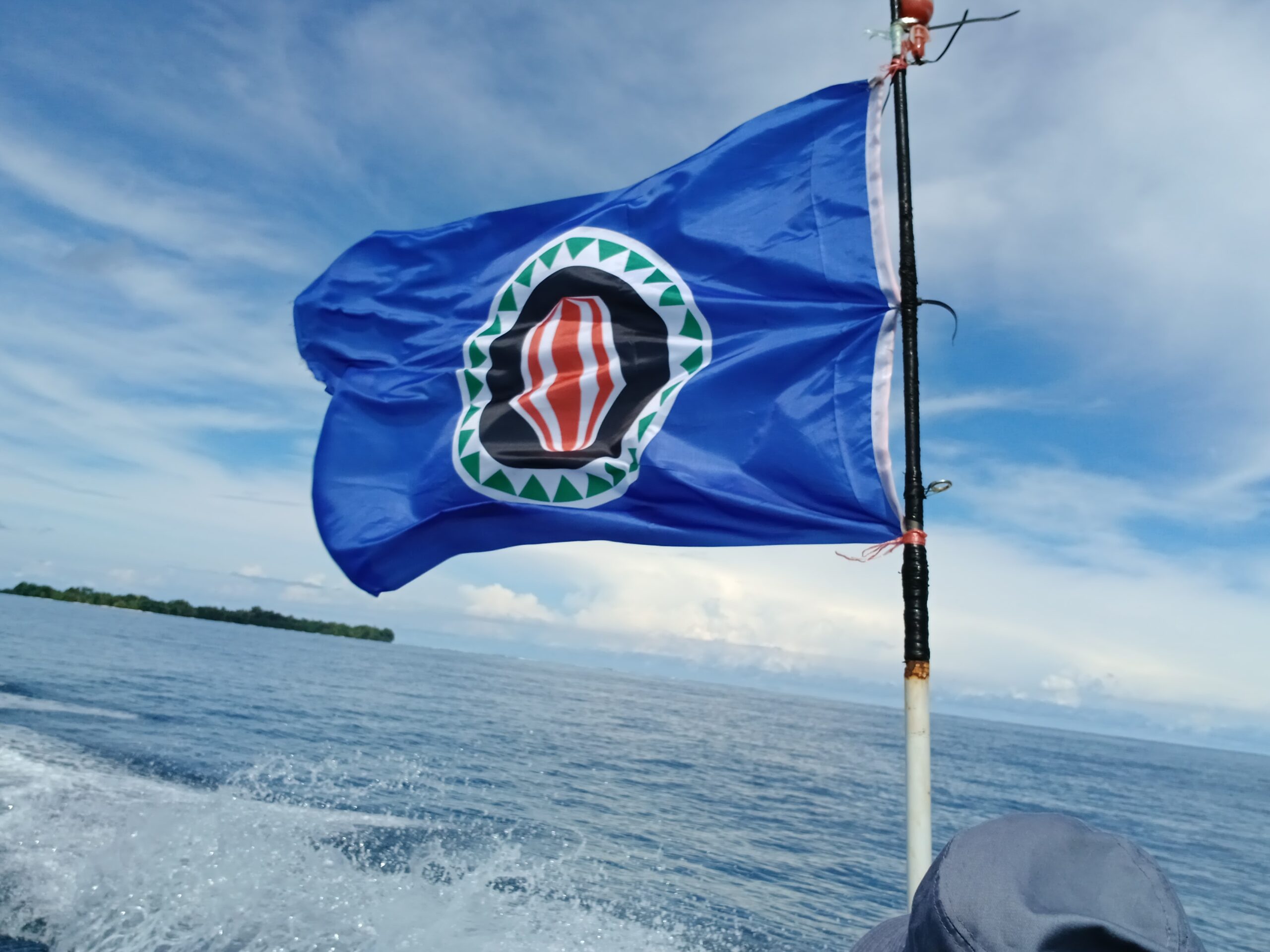
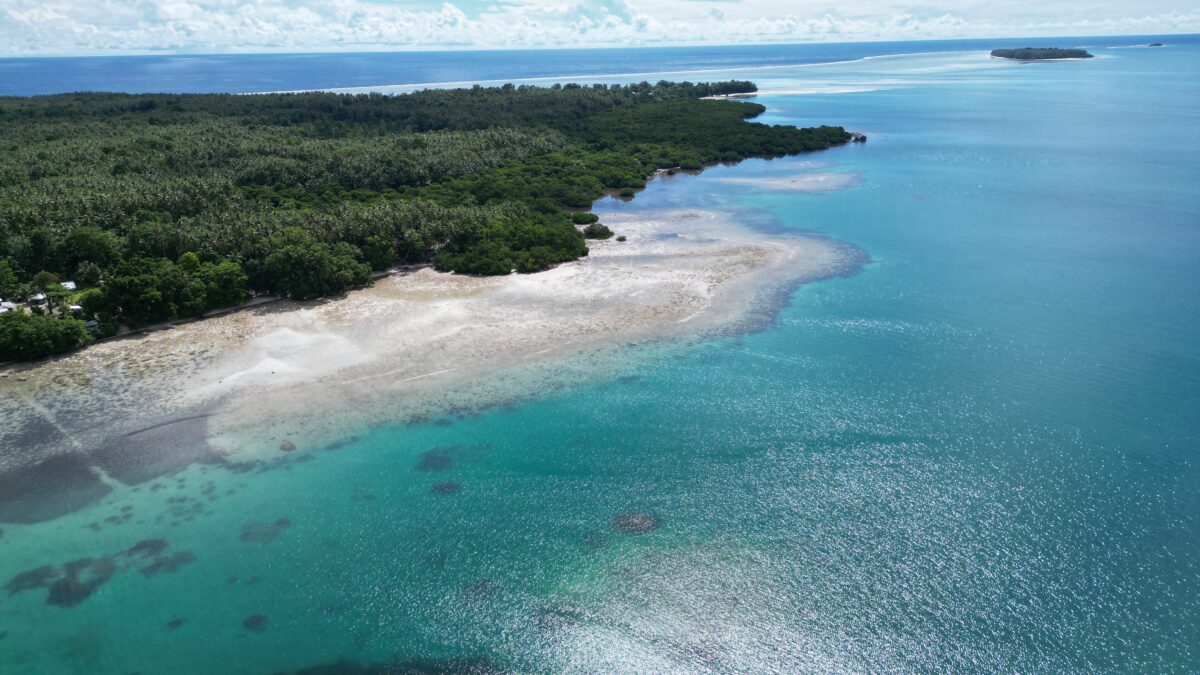
Pororan lies off the northern tip of Buka Island in the Autonomous Region of Bougainville. It is one of the larger islands in a chain of lush green islets that give way to long white coral sandbanks and the turquoise waters of the Solomon Sea.
Close to the shoreline, children wearing snorkels bob up and down in the clear water near coral enclosures used to farm sea cucumbers.
For an outsider, it appears to be an idyllic, carefree life — the sort of tropical existence that city dwellers often dream about. But beneath the postcard beauty lies a society grappling with profound change while Bougainville’s political future remains unresolved in Waigani.
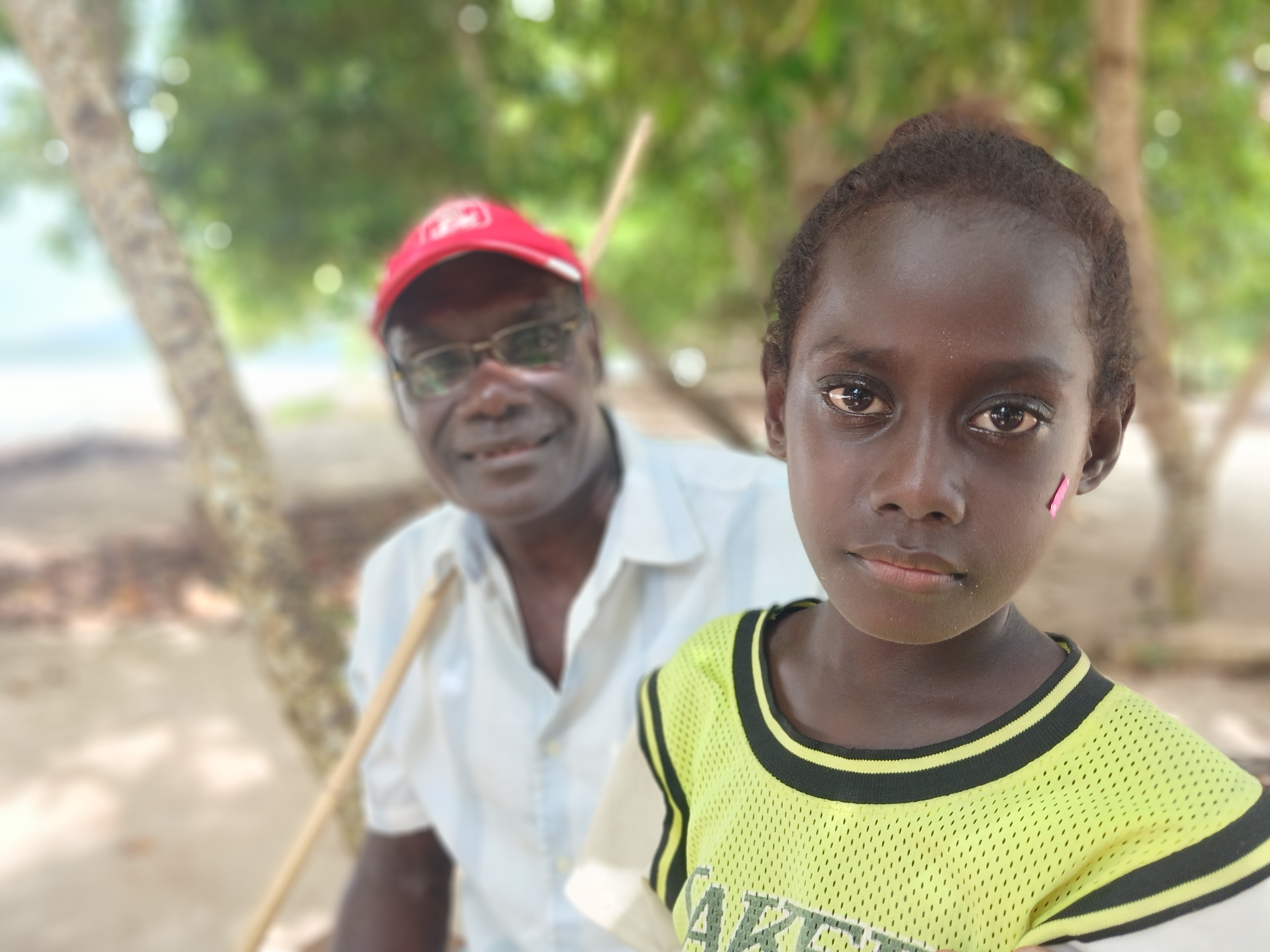
Luke Haun, a former Catholic priest and respected Pororan elder, shifts his weight on a thin bamboo walking stick as he reflects on the changes his generation has witnessed. Beyond his theological training, Haun also studied psychology and spent years working in mines across Papua New Guinea.
“There is a breakdown in traditional structures. We have a growing population. We have issues with food security,” he says.
Seven-year-old Emily, a younger member of his family, is drawn by curiosity and comes to sit beside him. She faces a future vastly different from the one Luke knew. Mobile phones, social media, artificial intelligence and global influences are shaping her world. She is growing up in a society where the word of a chief is no longer absolute and traditional knowledge competes with countless other influences.
Traditions Under Pressure
“This is a matrilineal society. But I can’t remember the last time we celebrated when a young girl became a woman,” Haun says, referring to the traditional rites that marked a girl’s first menstruation and her transition into adulthood.
“It was about respect for women.”
The ceremony was once an important milestone in island life. Today, it is rarely observed.
Pororan is home to more than 800 people. In the close-knit, predominantly Catholic community, elders say traditional rules governing courtship and marriage are increasingly being ignored.
“We cannot marry into our own clan. We have rules against that. We have clans we marry into on neighbouring islands. But those rules are not being followed.”
Colonialism, modern education and economic development brought new opportunities. They also came at a cost. The sons and daughters of chiefs and clan leaders who were expected to inherit cultural responsibilities were sent away for schooling. Many found employment elsewhere and spent years away from home.
“There is a break in continuity. Much of the knowledge is not passed on,” Haun says.
In many ways, Pororan is a microcosm of both Bougainville and Papua New Guinea.
A Growing Disconnect
On the surface, society appears intact. Yet there are subtle signs of deeper social challenges. Broken alcohol bottles scattered along the beachfront and the absence of young men and women from community activities concern elders like Haun.
“Our youth need opportunities. We have young people who have little else to do except leave the island and then return with few prospects.”
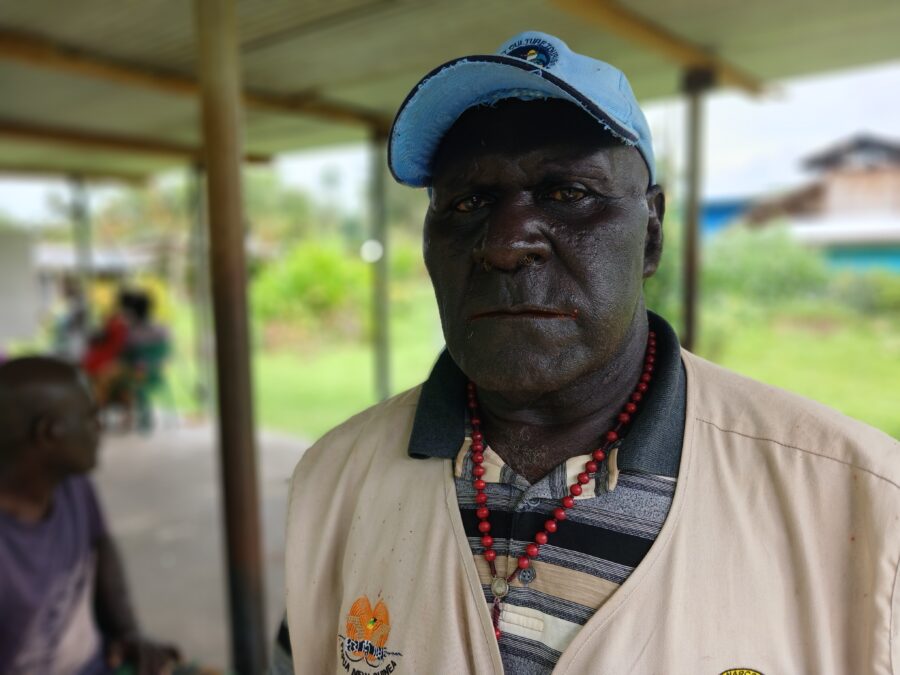
Several hours away, near Wakunai in Central Bougainville, Chief Mark Erik Waraka, a custodian of sacred initiation rituals, shares similar concerns. Valuable knowledge is disappearing as elders pass away and younger generations show less interest in learning traditional practices.
Protocols that once governed daily life are no longer consistently observed.
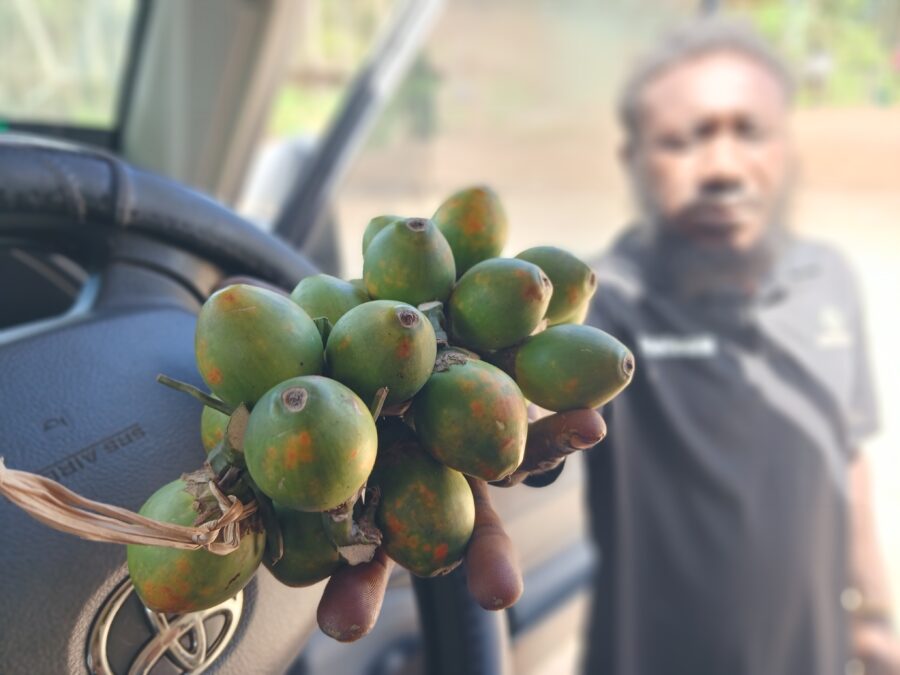
“When we were growing up, we knew what to do when a visitor arrived. We climbed to get buai for them. We made sure there was water for visitors. The chief did not have to ask,” he says.
“Now the chief has to call out several times before people do anything.”
For many leaders like Chief Waraka, it is these seemingly small acts of respect and responsibility that define the soul of Bougainville society.
The region now stands at a critical point in its social and political evolution.
Languages are being lost as Tok Pisin becomes more dominant. With the loss of language comes the erosion of stories, customs and identity. The chiefs, matriarchs and elders who once held communities together are ageing and passing away, taking with them generations of accumulated knowledge.
Reaching the Youth
At the Bougainville Youth Federation office in Arawa, president Michael Dave believes there is still hope.
“My intervention has been through contemporary music,” he says. “It is just one way of getting young people involved.”
If there is one thing that still draws large numbers of Bougainville’s youth together, it is music. Over the past 50 years, Bougainvillean music has evolved into distinctive local styles that blend traditional influences with modern sounds.
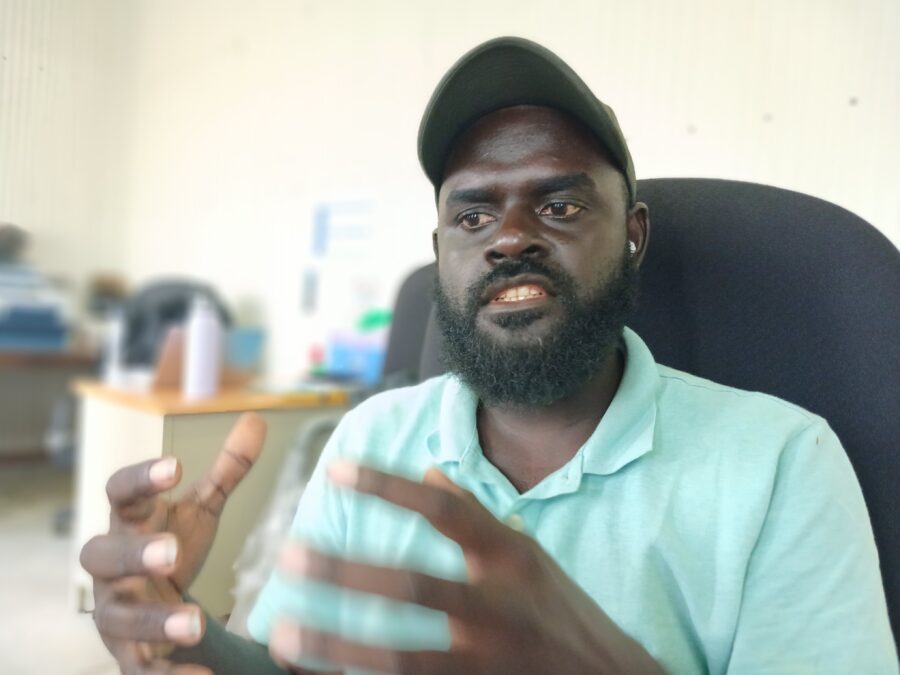
Michael has been involved in music projects led by legendary Yothu Yindi drummer Ben Hakalitz. He agrees that Bougainville is at a critical moment for cultural preservation.
Elders in Bougainville, as in many Melanesian societies, are often selective about who they pass their knowledge on to. Michael says many are reluctant to share because they are uncertain whether younger generations will value what they are being taught.
“The older generation will not pass on old wisdom unless young people seek it. They are always wary.”
That knowledge includes stories about land boundaries, environmental stewardship, conflict resolution, clan relationships and initiation ceremonies. Much of it remains unwritten and vulnerable to being lost forever.
Traditional Wisdom and Reconciliation
Since the end of the Bougainville conflict, the region has worked steadily to rebuild its infrastructure, institutions and economy. Efforts have also been made to engage a growing youth population and create new pathways for participation.
During the post-crisis years, as international attention focused on the peace process, Bougainvilleans also drew upon traditional customs and cultural wisdom to heal divisions and rebuild relationships fractured by war.
Robert Anesia, who works with the Bougainville Government, recalls how reconciliation efforts succeeded because communities trusted their own cultural practices.
“Bougainvilleans trusted their own traditional processes of reconciliation more than the government’s methods. They drew on their roots and were able to mend relations,” he says.
For many, it was a powerful reminder that traditional knowledge was not simply a relic of the past but a practical tool for addressing contemporary challenges.
More Than a Political Future
In 2005, Bougainville became autonomous, and its Constitution created greater opportunities for women’s participation in public life. Significant progress has followed. Yet many elders remain concerned that younger Bougainvilleans are becoming increasingly disconnected from the cultural foundations that sustained their communities for generations.
As Bougainville moves closer to determining its political future, some leaders believe the challenge extends beyond questions of independence and governance.
The debate is not only about what kind of nation Bougainville might become, but also about what kind of society it wishes to remain.
For elders like Luke Haun and Chief Waraka, the answer lies in ensuring that the stories, customs, values and relationships that have long defined Bougainville are not lost amid the rush of change.
The future of Bougainville, they argue, depends not only on political decisions made in parliament chambers, but also on whether a new generation chooses to carry forward the cultural inheritance of those who came before them.




Lovely story… yet concerning as our society evolves and the young generation are exposed to external Influences. This is not only happening in the AROB but Everywhere in PNG. Out of this comes the chaos which many of the young generations Are causing to disrupt normalcy in todays PNG society.